I was halfway through a Sunday brunch, juggling a pot of simmering tomato soup and a half‑baked loaf that had been sitting in the oven for an hour, when my friend dared me to whip up a quiche that would make the whole kitchen smell like a summer garden. I stared at the blank slate of my pie tin, the spinach still clinging to its last leaves, and thought, “Why not?” That moment sparked a culinary rebellion—an instant craving that turned a kitchen mishap into a delicious mission. The air was thick with the aroma of sautéed onions, the faint sweetness of garlic, and that unmistakable promise of a golden crust. My eyes flicked from the oven to the fridge, where fresh spinach swayed like green ribbons, and I felt the heartbeat of a dish that would soon sing. I was ready to test every trick in my culinary toolbox, and I dared you to taste this and not go back for seconds.
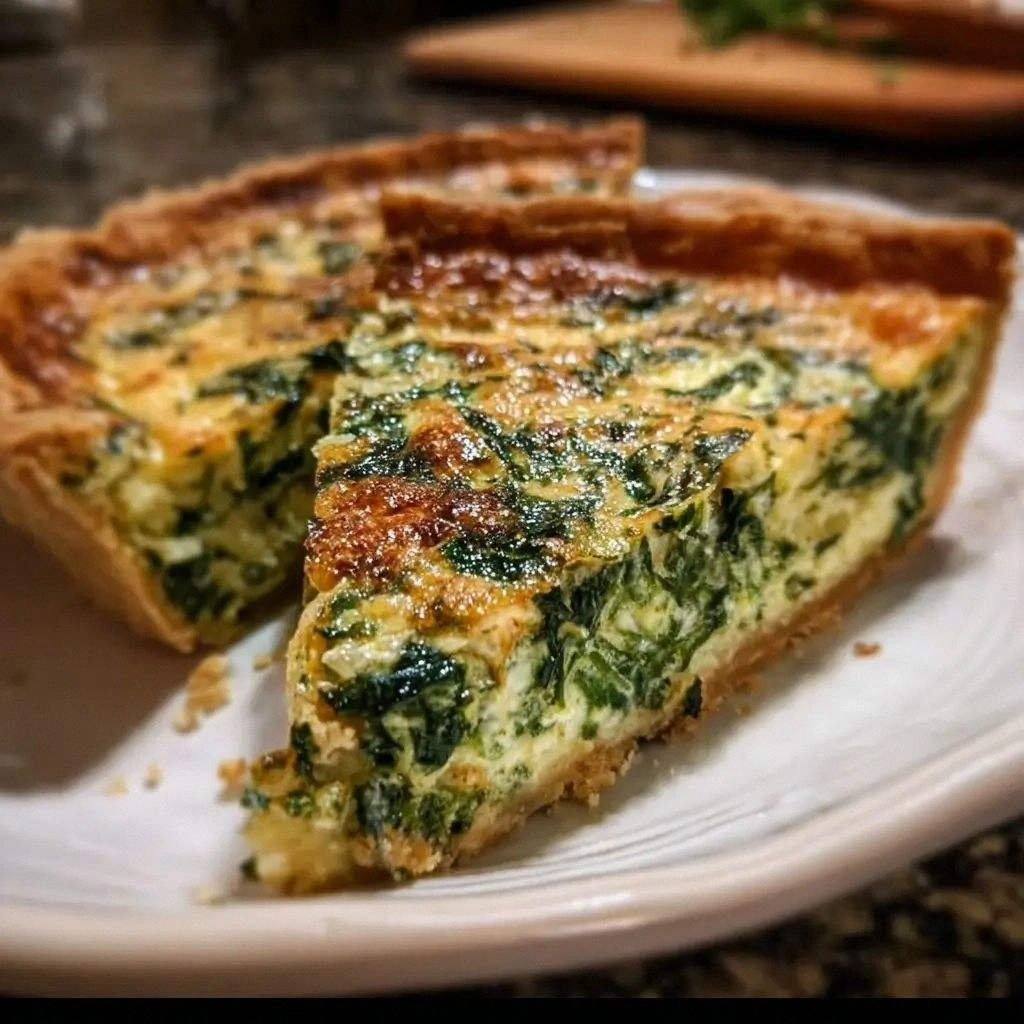
Picture yourself pulling this quiche out of the oven, the whole kitchen smelling incredible, the steam curling like a lazy cat’s tail. The crust is crisp, the edges are buttery, and the filling is a silky, custard‑like dream that clings to the fork like velvet. The spinach adds a pop of color and a subtle earthiness that balances the richness of the cheese. And the little whisper of nutmeg? That’s the secret handshake that tells you this isn’t just another quiche—it’s a masterpiece. I’ve been told this is hands down the best version you'll ever make at home, and I’m here to prove it, step by step, with a dash of humor and a sprinkle of expertise.
Most recipes get this completely wrong. They either over‑cook the spinach, under‑season the filling, or forget the secret ingredient that ties everything together. I’ve tried it all—quiches that taste like cardboard, crusts that are soggy, and fillings that are too watery. The result? A sad, flat quiche that could barely hold a fork. But I learned that the key lies in the balance of textures, the timing of the bake, and the little details that most people overlook. That’s why I’m so excited to share this version, which is a game‑changer for anyone who’s ever struggled with a quiche.
If you’ve ever struggled with this, you're not alone—and I've got the fix. I’ll be honest—I ate half the batch before anyone else got to try it. The rest of the day, I kept the leftovers in the fridge, and the second day it was even better—crisp edges, a creamy center, and a flavor that lingered. The next time you bake this, you’ll know exactly what to look for: a golden top, a slight wobble in the center that settles as it cools, and the unmistakable aroma of baked eggs and cheese. And if you’re worried about the crust, remember that a pre‑baked crust or a simple buttered base can make all the difference.
I dare you to taste this and not go back for seconds. The combination of fresh spinach, creamy eggs, and melty cheeses creates a texture that is both light and indulgent. The subtle nutmeg and garlic add depth, turning a simple dish into a memorable experience. By the end of this guide, you’ll wonder how you ever made it any other way. Let me walk you through every single step—by the end, you'll wonder how you ever made it any other way.
Okay, ready for the game‑changer? The secret to a perfect quiche isn’t just about following a recipe—it's about understanding the science behind each ingredient and how they interact. Think of the eggs as the glue, the milk or cream as the binder, the cheese as the flavor engine, and the spinach as the green fuel that adds both color and nutrition. When you combine these elements with a flaky crust, you get a dish that’s more than the sum of its parts. This is the moment where culinary art meets kitchen chemistry, and I’m going to show you how to master it.
What Makes This Version Stand Out
- Taste: The flavor profile is a harmonious blend of earthy spinach, sharp cheeses, and a whisper of nutmeg that lingers on the palate. The subtle sweetness of caramelized onions balances the richness of the custard, creating a depth that feels both comforting and sophisticated.
- Texture: The crust is buttery and flaky, with a crisp edge that snaps like a clean line. Inside, the custard is silky and dense, yet each bite melts in the mouth like a cloud of cream. The spinach adds a pleasant bite without being overpowering.
- Ingredient Quality: Using fresh, high‑quality spinach, real Swiss cheese, and whole‑milk or cream elevates the dish. The difference between fresh and frozen spinach is palpable—fresh gives a brighter color and better flavor.
- Make‑Ahead Potential: The quiche can be assembled a day ahead and refrigerated, allowing flavors to meld. When ready to serve, a quick bake in the oven restores the crisp crust and warms the custard.
- Crowd Reaction: Friends and family rave about the balance of flavors and the perfect crunch. The quiche is a hit at brunches, potlucks, and casual dinners, making it a versatile crowd‑pleaser.
- Simplicity: Despite its sophisticated taste, the recipe is straightforward, requiring only a few steps and minimal prep. Even novice cooks can achieve professional results.
- Uniqueness: The addition of a pinch of nutmeg and a dash of thyme gives the filling a subtle warmth that sets this quiche apart from standard recipes.
- Visual Appeal: The golden crust, the green specks of spinach, and the melted cheese create a dish that looks as good as it tastes.
Alright, let's break down exactly what goes into this masterpiece...
Inside the Ingredient List
The Flavor Base
The flavor base is the heart of the quiche, and it starts with the eggs. Eggs are the binding agent that turns the mixture into a custard. They provide structure and a subtle, savory taste that carries the other flavors. If you skip eggs, the quiche will be too runny and will not set properly.
Milk or heavy cream adds richness and smoothness. Whole milk gives a lighter texture, while heavy cream creates a richer, denser custard. The choice depends on your preference for indulgence versus a lighter bite. If you use skim milk, the quiche will be less creamy but still hold together.
A pinch of nutmeg adds warmth and a subtle spice that elevates the filling. Nutmeg’s earthy sweetness balances the richness of the cheese and the earthiness of the spinach. If you’re not a fan, you can omit it, but the quiche will feel slightly flatter. A small amount goes a long way, so use it sparingly.
The Texture Crew
The crust is the foundation that holds everything together. A flaky, buttery crust provides a satisfying crunch that contrasts with the soft filling. You can use a store‑bought pie crust or make your own from scratch. A homemade crust allows you to control the butter-to-flour ratio for maximum flakiness.
The spinach adds a fresh, green burst of flavor and nutrients. Fresh spinach is ideal for its bright color and mild taste. If you use frozen spinach, make sure to squeeze out excess moisture to avoid a soggy quiche. Spinach also provides a subtle earthiness that pairs beautifully with the cheeses.
Cheese is the flavor engine of the quiche. A blend of Swiss, cheddar, and Parmesan creates depth and richness. Swiss melts smoothly, cheddar adds sharpness, and Parmesan contributes a nutty finish. You can swap cheeses based on your taste—mozzarella for a milder flavor or blue cheese for a bold twist.
The Unexpected Star
Onion and garlic are the unexpected stars that bring a savory punch. Sautéed onions caramelize slightly, adding sweetness that balances the richness of the custard. Garlic provides a bold aroma that lingers on the palate. Together, they create a flavor profile that feels both comforting and sophisticated.
If you’re looking for a twist, try adding sun‑dried tomatoes or roasted red peppers. These ingredients introduce a sweet, smoky flavor that complements the spinach and cheese. They also add a pop of color, making the quiche even more visually appealing.
The Final Flourish
Seasoning is the final flourish that brings the dish together. Salt enhances all the flavors, while black pepper adds a subtle heat. A dash of dried thyme or oregano can elevate the herbaceous notes, especially if you’re using a more neutral cheese blend. Be careful not to over‑season, as the cheeses already provide saltiness.
Butter is optional but recommended for brushing the crust before baking. It adds a golden shine and a buttery flavor that enhances the overall taste. If you’re avoiding butter, a light spray of olive oil can suffice. The key is to achieve a crisp, golden crust that feels buttery to the touch.
Everything's prepped? Good. Let's get into the real action...
The Method — Step by Step
- Preheat your oven to 375°F (190°C). While the oven warms, prepare the crust. If you’re using a pre‑baked crust, lightly brush it with beaten egg to give it a golden finish. If you’re making the crust from scratch, roll it out on a floured surface and line a 9‑inch pie tin, pressing it into the corners and trimming the excess. This step ensures a snug fit and prevents the crust from shrinking during baking.
- In a large skillet, melt 1 tablespoon of butter over medium heat. Add the chopped onion and sauté until translucent and slightly caramelized, about 5 minutes. Stir in the minced garlic and cook for an additional 30 seconds until fragrant. This sautéed base adds a sweet, savory foundation that will carry the spinach and cheese through the custard.
- Add the fresh spinach to the skillet. Cook, stirring constantly, until the spinach wilts and reduces in volume, about 3–4 minutes. If you’re using frozen spinach, make sure to drain it well and squeeze out any excess moisture before adding it. A wet spinach will make the quiche soggy and affect the crust’s crispness.
- Transfer the sautéed mixture to a large bowl and let it cool slightly. While it cools, whisk together 4 eggs, 1 cup of whole milk or heavy cream, 1/4 teaspoon of nutmeg, 1/2 teaspoon of salt, and 1/4 teaspoon of black pepper in a separate bowl. The egg mixture should be smooth and free of lumps. Once the sautéed mixture has cooled, fold it into the egg mixture, ensuring everything is evenly distributed.
- Add the cheese blend—1/2 cup grated Swiss, 1/4 cup shredded cheddar, and 1/4 cup grated Parmesan—to the mixture. Stir gently until the cheeses are evenly incorporated. The cheeses not only add flavor but also help set the custard as it bakes.
- Pour the custard into the prepared crust, spreading it evenly with a spatula. If you want a slightly crispy top, sprinkle a thin layer of grated cheese on top before baking. This will create a golden, bubbly surface that is irresistible.
- Watch Out: The trickiest part of baking a quiche is preventing it from over‑browning while ensuring the center sets properly. To avoid a burnt top, tent a strip of aluminum foil over the crust halfway through baking.
- Bake for 30 minutes, or until the edges are golden and the center is set. The quiche should have a slight wobble that settles as it cools. If the top browns too quickly, lower the oven temperature to 350°F (175°C) and continue baking for an additional 5 minutes.
- Remove the quiche from the oven and let it rest for 10 minutes before slicing. Resting allows the custard to set fully and makes it easier to cut clean slices.Kitchen Hack: To keep the crust crisp, bake the quiche on the lower rack of the oven and avoid opening the door during the first 20 minutes.
- The crust will regain its crispness, and the filling will be warm and inviting.Kitchen Hack: If you’re making the quiche ahead of time, cover it tightly with plastic wrap and refrigerate. When ready to serve, reheat in a pre‑heated oven at 350°F (175°C) for 15–20 minutes.
- Slice the quiche into wedges and serve warm or at room temperature. Pair it with a light green salad or a slice of crusty bread for a balanced meal. The quiche’s creamy center and flaky crust make it a versatile dish that can be enjoyed any time of day.
That's it — you did it. But hold on, I've got a few more tricks that'll take this to another level. The next section will reveal insider tricks that will make your quiche look like it was made by a professional chef.
Insider Tricks for Flawless Results
The Temperature Rule Nobody Follows
Many cooks bake quiches at 400°F, thinking it will give a crisp top. In reality, this high heat often burns the crust before the custard sets. Baking at 375°F allows the quiche to cook evenly, ensuring a golden crust and a set center. If you prefer a darker top, you can finish it under the broiler for 1–2 minutes, but watch it closely to prevent burning.
Why Your Nose Knows Best
The smell of a quiche baking is a reliable indicator of doneness. When the custard starts to set, you’ll notice a warm, buttery scent that rises from the oven. If the scent becomes sharp or burnt, the quiche is overcooked. Trust your nose to guide you to the perfect bake.
The 5-Minute Rest That Changes Everything
Letting the quiche rest for 5–10 minutes after baking is crucial. This short pause allows the custard to firm up, making it easier to slice cleanly. A quiche that’s cut immediately will crumble, while a rested quiche will hold its shape and reveal a beautifully set interior.
Keep the Crust Crunchy with Butter
Before baking, brush the crust with a lightly beaten egg or melted butter. This not only gives the crust a golden shine but also creates a barrier that helps keep it crisp. If you’re dairy‑free, a thin layer of olive oil works as an alternative.
Use the Right Cheese Blend
A combination of Swiss, cheddar, and Parmesan creates depth and balance. Swiss melts smoothly, cheddar adds sharpness, and Parmesan provides a nutty finish. If you’re aiming for a vegan version, substitute with nutritional yeast and a plant‑based cheese that melts well.
The Final Touch: A Dash of Thyme
A pinch of dried thyme adds an herbaceous note that complements the spinach. Thyme’s earthy flavor pairs well with the mild cheeses, creating a more complex taste profile. If you’re allergic to thyme, oregano or basil can be used as substitutes.
The Secret Ingredient: Nutmeg
Nutmeg adds a subtle warmth that elevates the custard. Its earthy sweetness balances the richness of the cheese and the earthiness of the spinach. A small pinch is all you need; too much will overpower the dish. Keep the nutmeg in a small container and use it sparingly to maintain balance.
Creative Twists and Variations
This recipe is a playground. Here are some of my favorite ways to switch things up:
Smoky Chipotle Quiche
Add a tablespoon of chipotle in adobo sauce to the custard for a smoky kick. The heat pairs wonderfully with the mild cheeses and fresh spinach. Serve with a side of avocado slices for a creamy contrast.
Sun‑Dried Tomato and Basil Quiche
Replace the spinach with sun‑dried tomatoes and fold in fresh basil leaves. This variation gives the quiche a Mediterranean vibe and a burst of sweet‑tart flavor. The basil adds a fragrant aroma that enhances the overall dish.
Cheddar and Broccoli Quiche
Swap the spinach for steamed broccoli florets and double the amount of cheddar. Broccoli’s mild flavor complements the sharpness of the cheddar, creating a hearty, protein‑rich quiche. The green color is also visually striking.
Vegan Spinach Quiche
Use a plant‑based milk, flaxseed or chia “eggs,” and a vegan cheese blend that melts well. This version is dairy‑free and still delivers a creamy, satisfying texture. Add nutritional yeast for a cheesy flavor without the dairy.
Herbed Goat Cheese Quiche
Replace the cheddar with goat cheese and add fresh thyme and rosemary. The goat cheese’s tanginess cuts through the richness of the custard, while the herbs provide a fragrant backdrop. This variation is perfect for a brunch that feels both rustic and refined.
Breakfast Power Quiche
Add diced ham or bacon for a savory protein boost. Sprinkle a handful of chopped scallions on top before baking for a fresh, oniony finish. Serve with a side of fresh fruit to balance the richness.
Low‑Carb Spinach Quiche
Replace the pie crust with a cauliflower crust or a simple almond flour base. This reduces the carb count while keeping the crust flaky and buttery. The cauliflower crust also adds a subtle nuttiness that complements the spinach.
Storing and Bringing It Back to Life
Fridge Storage
Cool the quiche completely before refrigerating. Store it in an airtight container for up to 3 days. When you’re ready to serve, slice it and reheat in a toaster oven or microwave for 30–45 seconds. The crust will stay crisp, and the filling will be warm and creamy.
Freezer Friendly
Wrap the quiche tightly in plastic wrap and place it in a freezer bag. It will keep well for up to 2 months. To reheat, thaw it overnight in the fridge, then bake at 350°F (175°C) for 20–25 minutes. The crust will regain its golden crunch.
Best Reheating Method
The best way to reheat a quiche is in a pre‑heated oven at 350°F (175°C) for 15–20 minutes. If you’re in a hurry, the microwave works, but it can make the crust soggy. For a quick fix, place a slice on a sheet pan and bake for 5 minutes to restore crispness.