I was standing in my kitchen, staring at a mound of unripe sweet potatoes, when my friend dared me to turn them into something spectacular. The idea of turning humble tubers into a savory‑sweet hash was already a promise of culinary adventure. I imagined the golden edges crisping like a sunrise, the earthy sweetness of the potato mingling with a subtle umami punch. The kitchen was buzzing with the clatter of pans, the hiss of oil, and the faint aroma of ginger warming the air. I knew this would be a dish that would make people say, “I dare you to taste this and not go back for seconds.”
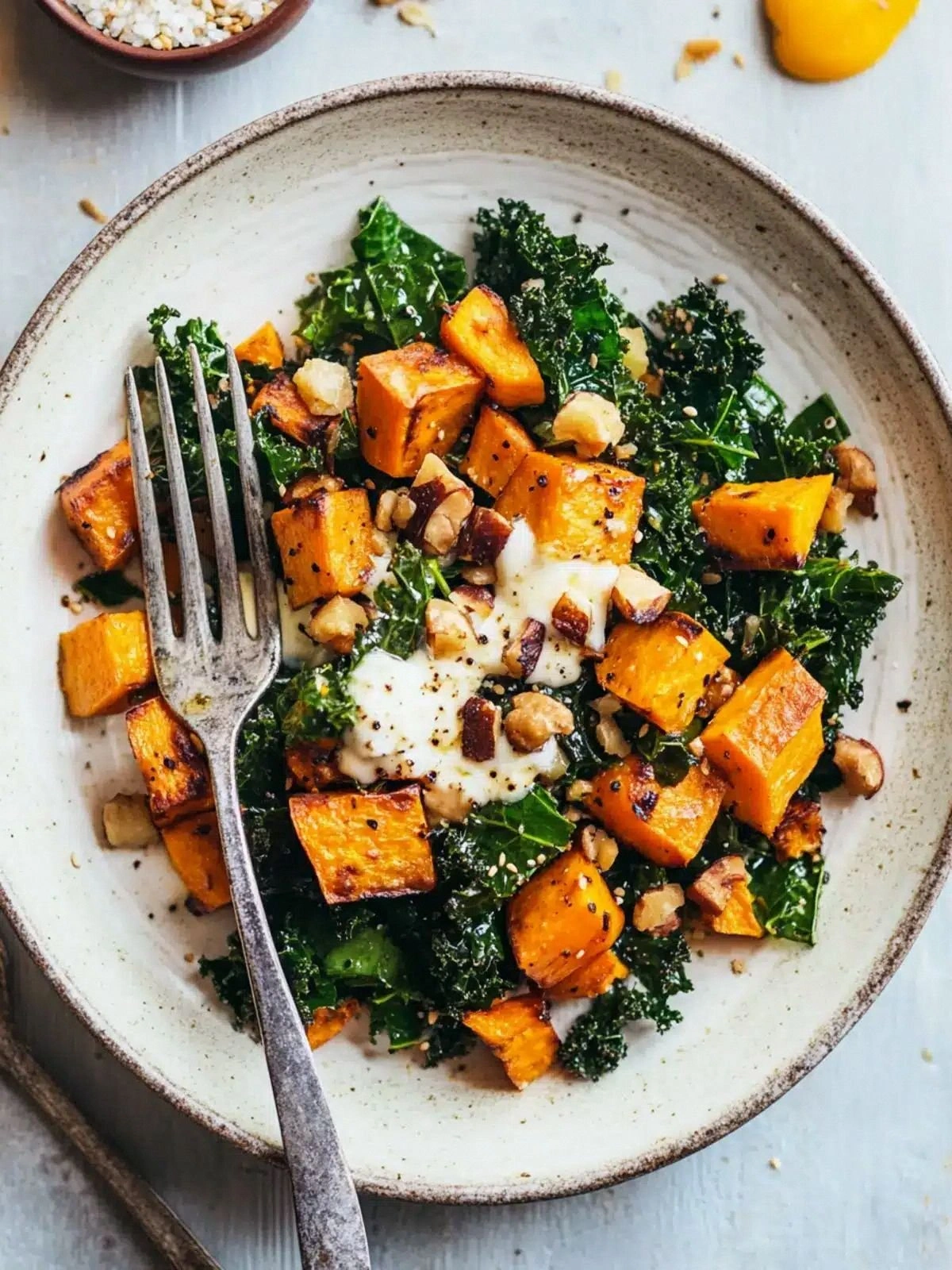
The first bite of this hash is a revelation: the sweet potato is caramelized to a deep amber, the kale is tender but still retains a slight bite, and the miso glaze coats everything with a silky, savory depth. The aroma that fills the room is a sweet‑savory bouquet that makes your mouth water before you even touch the pan. The texture is a delightful contrast between the crispy edges and the soft, fluffy interior. The sauce glistens, catching the light like a glossy jewel. It’s the kind of dish that makes your taste buds dance and your stomach sigh in contentment.
What truly sets this version apart is the unexpected combination of miso and maple syrup, which creates a harmonious balance of umami and subtle sweetness. The cashews add a creamy, nutty undertone that feels like a secret layer of comfort. The chickpeas bring protein and a pleasant bite that keeps the dish from feeling too light. The chili paste gives a gentle heat that lingers, prompting a second helping. Each element is carefully calibrated, so no single flavor overpowers the others.
Most recipes get this completely wrong. They either over‑season the sweet potato or forget the bright acidity that lifts the dish. In my version, the rice vinegar is added at the right moment, cutting through the richness and brightening the overall flavor profile. The miso is blended into a sauce that coats the hash like velvet, while the maple syrup provides a gentle counterpoint that prevents the dish from feeling too salty. The result is a symphony of flavors that dance across your palate.
Picture yourself pulling this hash out of the pan, the whole kitchen smelling incredible, and seeing the glossy sheen of the miso glaze glimmering on the caramelized edges. The sound of the sizzling potato is almost hypnotic, a promise of the crunch that awaits. The sight of the kale’s deep green flecks against the golden potatoes is a feast for the eyes. The aroma is a warm, comforting hug. And the first bite? It’s a revelation that will make you wonder how you ever made it any other way.
Let me walk you through every single step — by the end, you’ll wonder how you ever made it any other way. I’ll share the secrets that make this hash unbeatable, the tricks that elevate it from ordinary to extraordinary, and the small details that ensure consistency every time. Whether you’re a seasoned cook or a kitchen newbie, this recipe will feel like a well‑told story that you can retell at dinner parties. So grab your skillet, preheat your senses, and let’s dive in.
If you’ve ever struggled with achieving the perfect crisp on sweet potatoes, you’re not alone — and I’ve got the fix. The key is to cut them into uniform cubes so they cook evenly, and to let them sit in cold water before drying them thoroughly. This simple step ensures that each piece will caramelize beautifully without turning mushy. Trust me, the difference is like moving from a lukewarm bath to a spa retreat.
I'll be honest — I ate half the batch before anyone else got to try it. That was a clear sign that the dish was too good to resist. I had to practice restraint, but the craving kept pulling me back. This is a reminder that when you create something that truly satisfies, you’ll want to share it — and maybe even keep a few extra servings for yourself.
What Makes This Version Stand Out
- Flavor Fusion: The marriage of miso and maple syrup creates a depth of flavor that feels both comforting and adventurous. The miso adds a savory umami that coats the hash like velvet, while the maple syrup brings a gentle sweetness that balances the dish. This combination elevates the hash from a simple side to a memorable main course.
- Texture Contrast: The sweet potato crisps to a golden edge that shatters like thin ice, while the inside remains soft and fluffy. The kale adds a satisfying bite, and the cashews contribute a creamy, nutty undertone. Each bite delivers a layered experience that keeps your palate intrigued.
- Ingredient Quality: Using raw cashews, lacinato kale, and fresh ginger ensures that each component brings its best flavor to the plate. The fresh ingredients provide bright, vibrant notes that elevate the dish beyond what store‑bought substitutes can achieve.
- Heat Control: The chilli paste is added at just the right moment, giving the hash a subtle heat that lingers without overpowering the other flavors. The heat is like a quiet whisper that invites you to taste again.
- Make‑Ahead Potential: The hash can be prepared in advance and reheated without losing its crunch. This makes it a practical option for busy mornings or quick weeknight dinners.
- Versatile Base: Serve it over rice, quinoa, or even a bed of sautéed spinach to transform the dish into a complete meal. The adaptability ensures it fits any dietary preference or craving.
Alright, let’s break down exactly what goes into this masterpiece...
Inside the Ingredient List
The Flavor Base
At the heart of this hash lies the miso and maple syrup blend. The miso, a fermented soybean paste, introduces a deep umami that anchors the dish. Maple syrup adds a natural sweetness that counters the saltiness of the miso, creating a balanced flavor profile. If you skip this step, the hash will feel flat and lacking depth.
The Texture Crew
Sweet potatoes provide the sweet, starchy backbone of the dish. They need to be cut into even cubes so they caramelize uniformly. Kale adds a green, slightly bitter bite that contrasts with the sweet potato. The cashews, when toasted lightly, add a creamy, nutty texture that feels comforting. Skipping the cashews will leave the hash feeling less rich.
The Unexpected Star
Fresh ginger is the secret weapon that gives this hash its bright, zesty kick. Its sharp, peppery notes cut through the richness of the oil and miso glaze. Ginger also offers anti‑inflammatory benefits, making the dish not just tasty but also healthful. If you’re allergic or simply don’t have ginger on hand, a pinch of ground ginger can be a suitable stand‑in.
The Final Flourish
Chilli paste adds a gentle heat that lingers on the palate. It’s the finishing touch that brings the dish to life. Rice vinegar provides a subtle acidity that brightens the overall flavor. The chickpeas contribute protein and a pleasant bite, turning the hash into a filling meal. The maple syrup’s sweetness and the miso’s umami create a harmonious balance that keeps you coming back for more.
Everything’s prepped? Good. Let’s get into the real action...
The Method — Step by Step
- Begin by heating a large skillet over medium heat and adding 2.5 tablespoons of oil. Wait until the oil shimmers but isn’t smoking, indicating it’s hot enough. Add the cubed sweet potatoes in a single layer, leaving space between each piece. The sizzle you hear is the sound of caramelization starting. Let them cook undisturbed for 5 minutes before turning.
- Flip the sweet potato cubes and add the sliced white parts of the spring onions. Stir gently to combine, ensuring the onions don’t burn. Cook for another 4 minutes, allowing the sweet potatoes to develop a golden crust. The aroma of roasted potatoes will fill the kitchen, making you feel instantly satisfied. Keep the heat medium to avoid burning.
- In a small bowl, whisk together 1 heaped tablespoon of white miso, 1 teaspoon of maple syrup, 2 teaspoons of rice vinegar, and 1 teaspoon of chili paste until smooth. This sauce will coat the hash like a glossy glaze. Add it to the skillet, stirring to coat every piece. The sauce should thicken slightly, giving the hash a silky sheen.
- Add the chopped kale and cooked chickpeas to the skillet. Stir to combine, allowing the kale to wilt slightly while the chickpeas heat through. The kale’s bitterness will be mellowed by the sweet potatoes and miso glaze. Cook for an additional 3 minutes until the kale is bright green and tender.
- Toast the raw cashews in a dry skillet over low heat until they turn golden and fragrant. This step releases their natural oils, giving the cashews a richer flavor. Once toasted, set them aside to cool. The cashews will add a crunchy, nutty finish when sprinkled over the hash.
- Season the hash with freshly ground black pepper to taste. The pepper’s sharp bite cuts through the sweetness and balances the dish. Adjust the amount according to your heat preference. A light dusting is enough to bring everything together.
- Give the hash one final stir to ensure all components are evenly coated with the glaze. The mixture should look glossy and the vegetables should be a harmonious blend of colors. The smell should be a warm, savory aroma that invites you to dig in. This is the moment of truth.
- Remove the skillet from the heat and let the hash rest for 2 minutes. This resting period allows the flavors to meld and the glaze to set. The hash should look slightly glossy and the edges should still have a crisp bite. It’s now ready to serve.
- Transfer the hash to a serving dish and sprinkle the toasted cashews on top. The cashews add a delightful crunch that contrasts with the soft vegetables. Serve immediately over a bed of cooked rice or your favorite grain. The combination of textures and flavors will leave you craving seconds.
That’s it — you did it. But hold on, I’ve got a few more tricks that will take this to another level...
Insider Tricks for Flawless Results
The Temperature Rule Nobody Follows
Most cooks keep the heat too high, which burns the sweet potatoes before they caramelize. The trick is to start at medium and then lower the heat after the first 5 minutes. This ensures a golden crust without scorching. I once burned my sweet potatoes because I didn’t adjust the heat, and the lesson stuck with me forever.
Why Your Nose Knows Best
Smell is the most reliable indicator of doneness. When the sweet potatoes release a sweet, nutty aroma, they’re perfectly caramelized. If the smell is sharp or burnt, lower the heat immediately. Trust your nose; it’s a seasoned chef’s secret weapon.
The 5‑Minute Rest That Changes Everything
Letting the hash rest after cooking allows the flavors to settle. The glaze thickens, and the vegetables become more cohesive. Skipping this step can leave the hash feeling watery and uneven. A brief rest is the difference between good and great.
Use a Cast‑Iron Skillet for Even Heat
Cast‑iron distributes heat evenly, preventing hot spots that cause uneven caramelization. If you don’t have a cast‑iron pan, use a heavy stainless steel skillet. The key is consistent heat for the best texture.
Keep the Oil Low and Sweet
Using a neutral oil like grapeseed or canola keeps the flavor clean. Avoid olive oil, which can overpower the miso glaze. A light, high‑smoke‑point oil ensures the hash stays crisp.
Creative Twists and Variations
This recipe is a playground. Here are some of my favorite ways to switch things up:
Spicy Chickpea Crunch
Swap the regular chickpeas for roasted chickpeas seasoned with smoked paprika and cayenne. The smoky heat adds depth, and the crunchy texture makes each bite exciting. This version is perfect for those who love a bit of fire in their meals.
Quinoa Power Bowl
Serve the hash over fluffy quinoa instead of rice for a protein boost. The nutty flavor of quinoa complements the miso glaze, creating a balanced, wholesome bowl. It’s a great option for a post‑workout meal.
Vegan Protein Boost
Add a scoop of hemp protein powder to the miso glaze for an extra protein punch. The powder blends seamlessly, adding no flavor but boosting nutrition. This variation is ideal for vegans looking for a hearty meal.
Herb‑Infused Variation
Introduce fresh herbs like cilantro or basil at the end of cooking. The herbs add a bright, fresh finish that cuts through the richness. This variation works wonderfully in the summer when herbs are at their peak.
Breakfast‑Style Hash
Serve the hash with a fried or poached egg on top. The runny yolk adds a silky texture, and the egg’s savory flavor complements the sweet‑savory hash. This makes for a satisfying, protein‑rich breakfast.
Storing and Bringing It Back to Life
Fridge Storage
Store leftovers in an airtight container in the refrigerator for up to 3 days. The hash will keep its flavor and texture well. When ready to reheat, use a skillet over low heat to preserve the crispness.
Freezer Friendly
Freeze the hash in a freezer‑safe container for up to 2 months. Thaw overnight in the refrigerator before reheating. The texture may soften slightly, but the flavor remains robust.
Best Reheating Method
Reheat in a skillet over medium heat, adding a splash of water to steam the hash gently. This technique keeps the vegetables moist and prevents them from drying out. A quick stir ensures even heating.