Ever found yourself staring at a box of shrimp, a jar of feta, and a stubborn craving for something that feels like a party in your mouth? I had that exact moment last Sunday, right after a disastrous attempt at a “simple” shrimp scampi that ended with a kitchen covered in garlic smoke and a dish that tasted like bland disappointment. The panic was real, the frustration louder than the sizzling pan, and I swore I’d never cook shrimp again—until I discovered the secret that turns a mediocre seafood dish into a flavor explosion that even the most skeptical foodie will beg for seconds.
Picture this: the shrimp hit the hot skillet with a satisfying sizzle that releases a sweet, briny aroma, and the air fills with the sharp tang of lemon, the smoky kiss of paprika, and a whisper of cayenne that tickles your palate. The feta melts into a creamy, salty sauce that coats each shrimp like a velvety blanket, while fresh parsley adds a bright, herbal pop that cuts through the richness. The dish is a symphony of textures—tender shrimp, silky dip, and the occasional crunch of toasted breadcrumbs if you choose to add them. The heat is just enough to wake your taste buds, but not so intense that it overwhelms the delicate flavor of the seafood. This is not a recipe you’ll find in a cookbook; it’s the result of countless trials, a dash of daring, and a love for bold, unapologetic flavors.
What makes this version stand out is not just the combination of ingredients but the way each element is treated. From the precise timing of the garlic to the final flourish of feta, every step is engineered to bring out the best in each component. It’s the kind of dish that turns an ordinary dinner into a memorable experience, the kind that makes people ask, “Where did you learn this?” and you can proudly say, “From a kitchen experiment that turned into a revelation.” If you’re ready to ditch the ordinary and embrace a new level of culinary confidence, keep reading—your taste buds will thank you.
I dare you to taste this and not go back for seconds. That sizzle when it hits the pan? Absolute perfection. Imagine the first bite: the shrimp’s natural sweetness amplified by a citrusy zing, the feta’s creamy richness, and a hint of heat that lingers on the tongue. It’s a flavor rollercoaster that’s both comforting and exhilarating. And if you’re still skeptical, think about how this dish can transform a simple dinner into a celebration. Let me walk you through every single step—by the end, you’ll wonder how you ever made it any other way.
What Makes This Version Stand Out
- Taste: The combination of lemon, garlic, and smoked paprika creates a bright, smoky profile that complements the shrimp’s natural sweetness. The feta dip adds a creamy, tangy layer that balances the heat.
- Texture: The shrimp stays juicy and tender, while the dip coats each piece with a silky finish. A touch of toasted breadcrumbs can be added for a delightful crunch.
- Ingredient Quality: Fresh, high‑quality shrimp and feta make the difference between good and unforgettable.
- Simplicity: The recipe uses only a handful of ingredients, but each plays a pivotal role. No fancy sauces or obscure spices.
- Make‑ahead Potential: The shrimp can be marinated ahead of time, and the dip can be prepared in advance, making this dish a breeze for busy weeknights.
- Audience Appeal: Whether you’re feeding a crowd or cooking for yourself, the bold flavors and comforting textures resonate with all palates.
Inside the Ingredient List
The Flavor Base
The foundation of this dish starts with the shrimp, which should be peeled, deveined, and pat‑dry before cooking. Fresh shrimp are essential; they provide the sweet, briny flavor that anchors the dish. If you’re using frozen shrimp, thaw them in cold water and pat them dry to avoid excess moisture that can steam the shrimp instead of searing.
Garlic is the next star—minced finely so it releases maximum flavor. Garlic’s sharpness balances the richness of the feta and the heat from cayenne. A good rule of thumb is to use two cloves per pound of shrimp; too much can dominate the dish, while too little can leave it bland.
Lemon juice adds brightness and acidity that cuts through the creamy feta, preventing the dish from feeling heavy. A tablespoon per serving is sufficient; the juice should be freshly squeezed for the best flavor profile.
The Texture Crew
Greek yogurt is the secret to a silky, velvety dip that coats the shrimp beautifully. It also adds a subtle tang that complements the feta’s saltiness. Use half a cup per serving; if you prefer a thicker dip, reduce the yogurt slightly and increase the feta.
Feta cheese provides the creamy, salty base of the dip. Crumble it finely to ensure it melts smoothly into the yogurt. A cup per serving yields the perfect balance between richness and tang.
Fresh parsley not only adds a burst of color but also brings a fresh, herbaceous note that lifts the overall flavor. Two tablespoons of chopped parsley per serving work well; you can adjust based on your preference for a more pronounced herbal taste.
The Unexpected Star
Cayenne pepper is the unexpected hero that brings a gentle heat without overwhelming the dish. Half a teaspoon per serving is enough to give that subtle kick. If you’re a heat enthusiast, feel free to double the amount, but remember the feta and yogurt will mellow the intensity.
Smoked paprika adds a deep, smoky undertone that elevates the shrimp’s flavor profile. It also gives the dish a warm, earthy aroma that makes the dish feel cozy. Use half a teaspoon per serving for a balanced taste.
The Final Flourish
Salt and pepper are essential for seasoning the shrimp and the dip. Start with half a teaspoon of salt and a quarter teaspoon of black pepper per serving, then adjust to taste after the shrimp are cooked. The seasoning should enhance, not overpower, the natural flavors.
Olive oil is used to sauté the shrimp and garlic, creating a flavorful base that infuses the dish with a subtle oiliness. A teaspoon per serving is sufficient; the oil helps the spices adhere to the shrimp and contributes to the overall mouthfeel.
Everything’s prepped? Good. Let’s get into the real action.
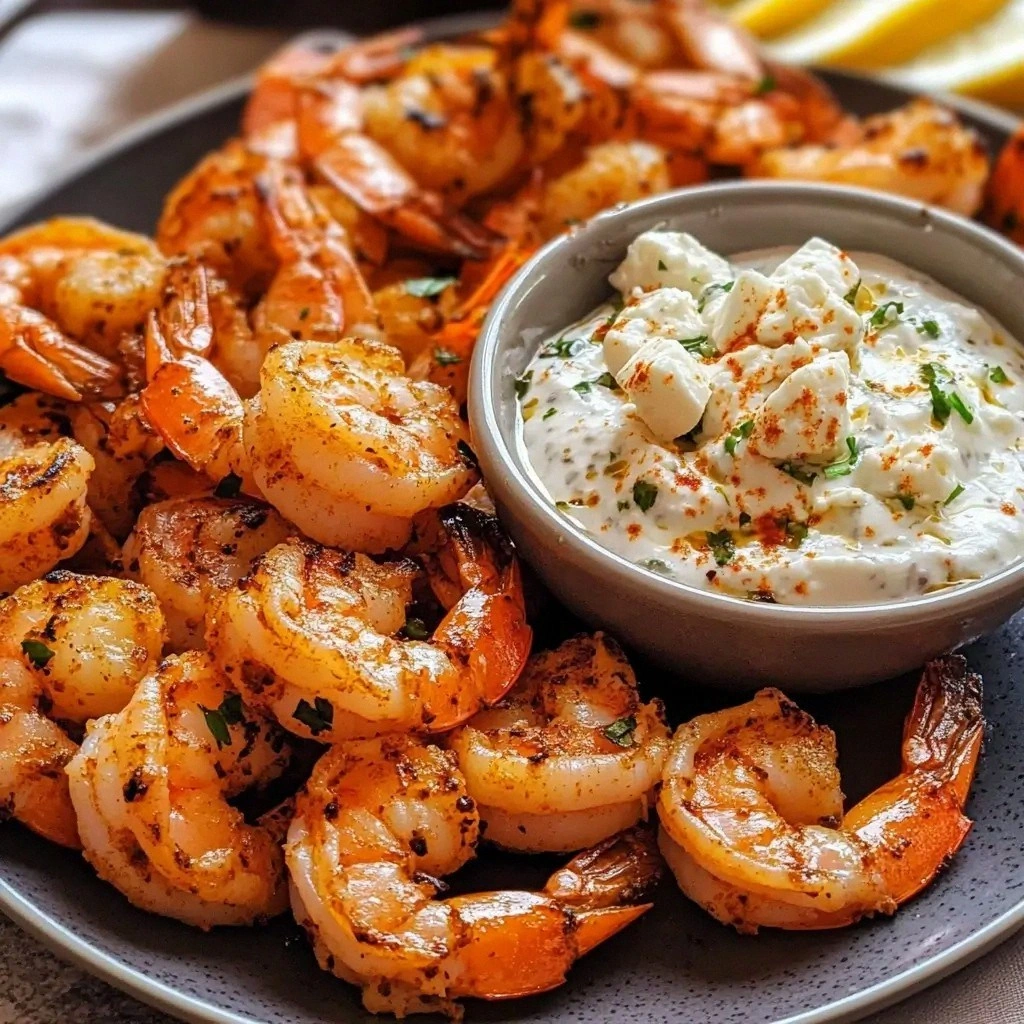
The Method — Step by Step
- Marinate the Shrimp: In a bowl, combine the shrimp with half a teaspoon of salt, a quarter teaspoon of black pepper, and a pinch of cayenne pepper. Toss until the shrimp are evenly coated. Cover and let it sit for 10 minutes at room temperature; this step allows the shrimp to absorb the spices and prevents them from drying out during cooking.
- Prepare the Dip: In a medium bowl, whisk together the crumbled feta, Greek yogurt, minced garlic, lemon juice, and smoked paprika until the mixture is smooth. The yogurt should be at room temperature to avoid curdling. This creates a silky base that will cling to every shrimp. If you prefer a thinner dip, add a tablespoon of water or olive oil.
- Heat the Skillet: Place a large non‑stick skillet over medium‑high heat and add one teaspoon of olive oil. The oil should shimmer but not smoke. This temperature is crucial; too low and the shrimp will steam, too high and the garlic will burn.
- Sauté the Garlic: Add the minced garlic to the skillet and sauté for 30 seconds until fragrant, watching carefully to avoid burning. The garlic should release its aroma but remain golden, not brown, to keep the flavor bright.
- Cook the Shrimp: Add the marinated shrimp to the skillet in a single layer. Let them sear untouched for 2 minutes, then flip. Cook for another 1–2 minutes until they turn pink and opaque. The shrimp should release a pleasant, slightly sweet scent and the edges should start to pull away from the pan, signaling doneness.
- Combine Shrimp and Dip: Reduce the heat to low and pour the prepared feta dip over the shrimp. Gently stir to coat each shrimp evenly. Let it simmer for 2 minutes; the heat will melt the feta into the yogurt, creating a cohesive sauce.
- Finish with Fresh Herbs: Sprinkle chopped parsley over the dish, giving it a burst of color and a fresh, herbaceous finish. The parsley will add a subtle brightness that cuts through the richness.
- Serve Immediately: Plate the shrimp and spoon the creamy dip over them. Serve with crusty bread, pita, or a light salad to complement the flavors. The dish is best enjoyed hot, while the dip is still silky and the shrimp are perfectly seared.
That's it—you did it. But hold on, I've got a few more tricks that'll take this to another level. Keep reading for insider tips, variations, and storage hacks that will keep your dish fresh and exciting.
Insider Tricks for Flawless Results
The Temperature Rule Nobody Follows
Many cooks assume that a high heat is always best for shrimp, but the truth is that medium‑high heat preserves the shrimp’s natural moisture. Too high, and you’ll scorch the exterior while the interior remains raw. By maintaining a steady medium‑high temperature, you achieve a crisp sear without compromising the shrimp’s tenderness.
Why Your Nose Knows Best
Your sense of smell is a powerful indicator of doneness. When the shrimp releases a sweet, briny aroma that’s slightly caramelized, it’s a sign that the shrimp is perfectly cooked. Trust that scent; it’s the quickest way to avoid overcooking.
The 5‑Minute Rest That Changes Everything
After cooking, let the shrimp rest for five minutes on a plate. This short rest allows the juices to redistribute, ensuring that every bite is juicy and flavorful. It also gives the feta dip a chance to thicken slightly, creating a richer coating.
Add a Touch of Sweetness
A teaspoon of honey or a splash of maple syrup added to the dip can balance the heat from cayenne and the saltiness of feta. This subtle sweetness enhances the overall complexity of the dish.
Use Freshly Ground Pepper
Freshly ground black pepper releases a more robust flavor than pre‑ground pepper. It adds a subtle heat that complements the cayenne without overpowering the dish. A pinch of freshly ground pepper is all you need.
Creative Twists and Variations
This recipe is a playground. Here are some of my favorite ways to switch things up:
Coconut Curry Variation
Swap the Greek yogurt for coconut milk and add a teaspoon of curry powder. The dish becomes a tropical, aromatic delight that pairs beautifully with jasmine rice.
Mediterranean Platter
Serve the shrimp and dip with a side of tzatziki, hummus, and warm pita. The combination of creamy dips and savory shrimp creates a satisfying Mediterranean feast.
Spicy Garlic Aioli
Replace the feta dip with a homemade garlic aioli. Mix mayo, lemon, garlic, and cayenne for a creamy, spicy coating that elevates the shrimp’s flavor.
Roasted Tomato Garnish
Add roasted cherry tomatoes to the dish for a burst of sweetness and acidity. The tomatoes provide a colorful contrast and add a new layer of flavor.
Baked Shrimp Cups
Place shrimp in mini muffin tins, top with feta dip, and bake at 375°F for 8 minutes. These bite‑size cups are perfect for parties and add a fun twist to the classic recipe.
Storing and Bringing It Back to Life
Fridge Storage
Store the cooked shrimp and dip separately in airtight containers. The shrimp will keep for up to 2 days, while the dip can last up to 3 days. Keep the dip chilled to preserve its creamy texture.
Freezer Friendly
Freezing the shrimp before cooking is a great option. Freeze them in a single layer on a tray, then transfer to a freezer bag. Cook directly from frozen, adding a minute or two to the cooking time.
Best Reheating Method
Reheat the dip gently on low heat, adding a splash of water or milk to restore its silky consistency. The shrimp should be warmed in a skillet for 1 minute to avoid overcooking. This method brings the dish back to its fresh, vibrant state.