I was halfway through a midnight pizza experiment when the oven door slipped open, and the entire kitchen flooded with the scent of burnt dough. I stared at the charred crust, heart sinking, and thought, “I could never make a dish that feels this dramatic.” That night, a friend dared me to turn a simple chicken breast into something unforgettable. I accepted the challenge, and the next morning, I was elbow‑deep in miso, butter, and garlic, ready to prove that a humble protein can rise from the ashes of culinary disaster into a glossy, umami‑laden masterpiece.
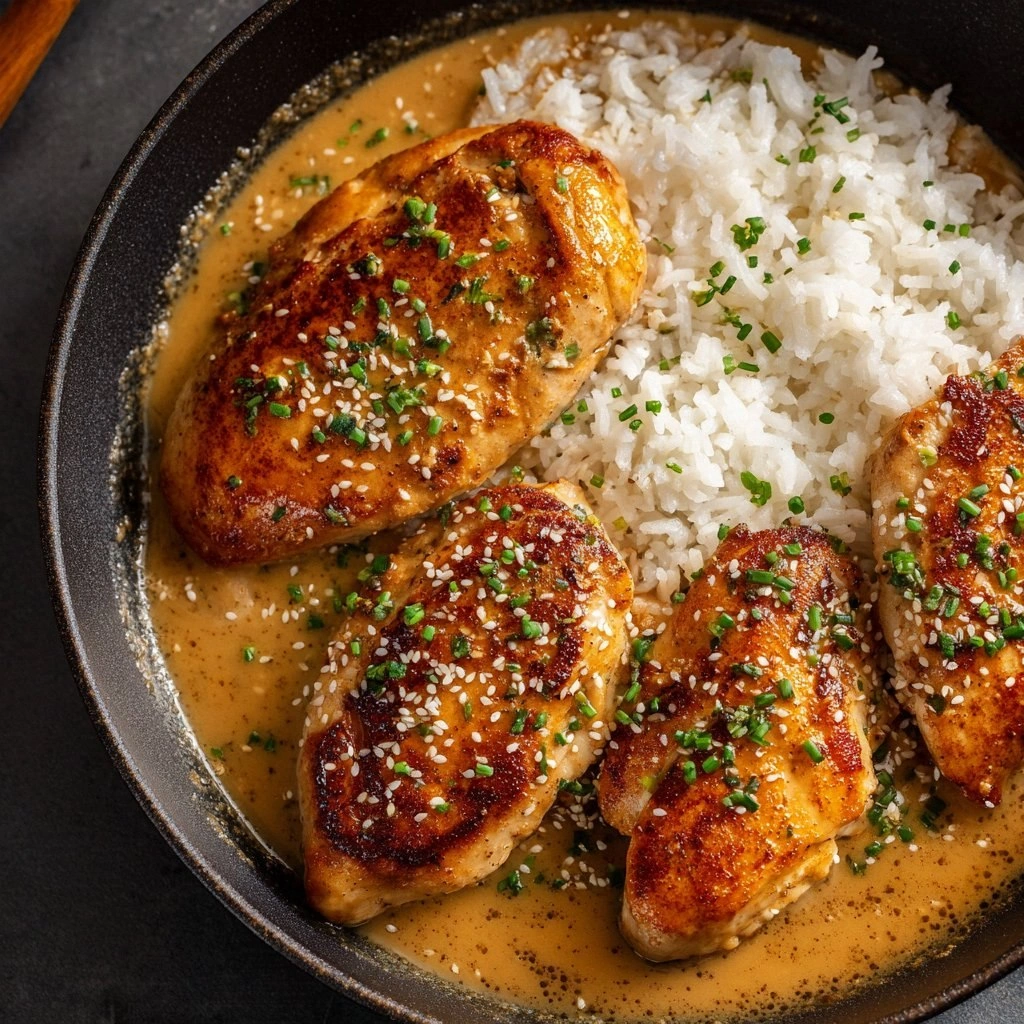
Picture the moment the first sizzling bite hits the pan: the butter melts into a golden pool, garlic releases its fragrant steam, and the miso paste dissolves into a dark, glossy glaze. The air fills with a nutty, slightly sweet aroma that lingers like a promise of comfort. As the sauce thickens, the chicken’s surface turns a deep amber, each bite offering a contrast of tender meat and a silky, buttery coating that clings like velvet to the palate. The subtle citrus zest lifts the richness, adding a bright counterpoint that keeps the dish from feeling heavy. The final garnish of scallions and cilantro provides a fresh, peppery crunch that punctuates the flavor profile, making every mouthful a symphony of textures and tastes.
What makes this version stand out is not just the combination of flavors but the precision of technique. I use a low‑heat sear to lock in juices, then finish the chicken in a sauce that coats each piece evenly, preventing the dreaded dry, over‑cooked chicken breast. The miso butter sauce is a balance of sweet, salty, and umami, with a subtle citrus lift that keeps the dish bright and approachable. I’ve refined the recipe to ensure it’s quick enough for a busy weeknight yet sophisticated enough to wow a dinner guest. Every bite delivers a burst of flavor that feels like a gourmet experience without the fuss, and that’s why I keep a stash of miso paste in my pantry.
Now, here’s the secret twist that most recipes skip: I fold in a splash of heavy cream at the end, just enough to turn the sauce into a silky custard that clings to the chicken. This subtle addition elevates the dish from “good” to “unforgettable.” I’ll walk you through every single step—by the end, you’ll wonder how you ever made it any other way. Let’s dive in and create a dish that will become your new go-to for impressing friends and satisfying your own cravings.
What Makes This Version Stand Out
- Umami Explosion: The combination of miso paste and soy sauce creates a depth of flavor that is both complex and approachable, turning ordinary chicken into a taste sensation.
- Velvety Texture: The butter and a dash of heavy cream fuse into a silky sauce that coats each breast without weighing it down.
- Balanced Sweetness: Honey and lemon zest provide a bright counterpoint, preventing the dish from feeling overly salty or heavy.
- Time‑Saving Technique: A quick sear followed by a simmer in sauce means you’re ready in under 45 minutes, even on a busy weekday.
- Versatile Pairings: It works beautifully over jasmine rice, creamy polenta, or a light quinoa salad, making it a flexible centerpiece.
- Make‑Ahead Friendly: The sauce keeps well in the fridge, and the chicken can be reheated without losing its juicy essence.
Inside the Ingredient List
The Flavor Base
Miso paste is the backbone of this sauce, providing a deep, savory foundation that can’t be replaced by soy sauce alone. The white miso I use is milder, allowing the butter to shine while still delivering that unmistakable umami punch. If you prefer a sweeter profile, swap white miso for a light brown miso, but be prepared for a richer, slightly caramelized flavor. The key to a balanced base is to whisk the miso into the melted butter until it’s fully incorporated; this prevents lumps and ensures a smooth glaze.
The Texture Crew
Butter is the secret weapon that brings richness and helps the sauce coat the chicken evenly. Unsalted butter gives you full control over salt levels, which is essential when you’re already adding miso and soy sauce. A splash of heavy cream at the end turns the sauce into a silky custard, adding body without overpowering the other flavors. If you’re dairy‑free, try coconut milk or a non‑dairy butter alternative; the texture will be slightly different, but the flavor profile remains intact.
The Unexpected Star
Lemon zest and a touch of fresh lemon juice add a bright, citrusy lift that cuts through the richness of the butter and miso. The zest contains essential oils that enhance the overall aroma, while the juice provides a subtle acidity that balances the sweetness of honey. If you can’t find fresh lemons, a teaspoon of white wine vinegar can mimic the acidity, but the zest’s aromatic oils are irreplaceable. This combination is what sets this dish apart from the bland, one‑dimensional chicken dishes you’ve tried before.
The Final Flourish
Scallions and cilantro not only add color but also introduce a fresh, peppery contrast that elevates the dish. The scallions’ mild onion flavor complements the garlic, while the cilantro’s citrusy undertones echo the lemon zest. A handful of toasted sesame seeds sprinkled on top gives a subtle crunch and a nutty finish. If you’re not a fan of cilantro, replace it with fresh parsley or a squeeze of lime for a different citrus twist.
Everything’s prepped? Good. Let’s get into the real action and turn these ingredients into a dish that will have everyone asking for seconds.
The Method — Step by Step
- Prep the Chicken: Pat each breast dry with paper towels. This step is crucial; excess moisture prevents the butter from forming a proper crust. Season both sides generously with salt and pepper. Let the chicken sit at room temperature for about 10 minutes; this ensures even cooking.
- Heat the Skillet: Place a heavy‑bottom skillet over medium heat and add the vegetable oil. Once the oil shimmers, add the chicken breasts. Sear for 3-4 minutes on each side until a golden brown crust forms. Flip only once to preserve the crust’s integrity.
- Introduce the Butter: Reduce heat to medium‑low and slide the butter into the pan. Watch as it melts and begins to foam; this is the first hint of the sauce’s richness. Once the butter has melted, add the minced garlic, letting it sizzle for about 30 seconds. The garlic should release its aroma without browning.
- Incorporate Miso: Stir in the miso paste, whisking continuously to avoid clumps. The sauce should become glossy and thick, coating the back of a spoon. This step is where the umami kicks in, creating a deep, savory base that will cling to each breast.
- Simmer & Flavor: Add soy sauce, honey, lemon zest, and a splash of lemon juice. Stir until the mixture is well blended. Reduce the heat to low and let the sauce simmer gently for 5 minutes, allowing the flavors to marry. The sauce should thicken slightly but remain pourable.
- Finish with Cream: Stir in the heavy cream, swirling the mixture until it’s smooth and silky. The cream not only adds body but also mellows the acidity from the lemon. If you’re dairy‑free, substitute with coconut milk for a similar thickness.
- Return Chicken to Sauce: Place the seared breasts back into the pan, spooning sauce over them. Let them cook for an additional 3 minutes, ensuring they’re heated through and coated. The chicken should be juicy, not dry, and the sauce should cling to every surface.
- Garnish: Sprinkle chopped scallions, cilantro, and toasted sesame seeds over the chicken. These fresh toppings add a burst of color and a peppery crunch that cuts through the richness.
- Serve Immediately: Plate the chicken breasts on a warm platter, spooning the remaining sauce over them. Pair with jasmine rice, creamy polenta, or a light quinoa salad. The dish is best enjoyed fresh, but it also reheats beautifully.
That’s it — you did it. But hold on, I’ve got a few more tricks that will elevate this dish from great to unforgettable.
Insider Tricks for Flawless Results
The Temperature Rule Nobody Follows
Many cooks assume that a high heat is always best for searing, but when it comes to chicken breasts, medium‑low heat preserves juiciness. I’ve found that a quick 3‑minute sear on each side at medium heat locks in moisture, and the subsequent low‑heat simmer in sauce finishes the job without drying the meat. This approach also allows the butter to meld with the miso, creating a silky glaze that clings beautifully.
Why Your Nose Knows Best
Before you taste the sauce, pause and sniff. If the aroma is buttery and slightly sweet, you’re on the right track. A burnt or overly salty smell indicates a misstep. Trust your nose as a guide; it’s the quickest way to catch errors before they become taste issues.
The 5‑Minute Rest That Changes Everything
After cooking, let the chicken rest for five minutes on a cutting board. This rest period allows the juices to redistribute, keeping the meat moist and tender. A friend once skipped this step and ended up with a dry breast that needed a sauce rescue. The rest is the secret to that perfect bite.
Don’t Forget the Butter Finish
Adding butter at the end of cooking brightens the sauce and adds a glossy sheen. It also helps the sauce cling to the chicken, preventing it from sliding off when you plate. If you’re watching calories, use a small amount of clarified butter or a high‑smoke‑point oil instead.
Use Fresh Garlic, Not Powder
Fresh garlic delivers a punchier, brighter flavor that stands up to the rich miso. Garlic powder can be too blunt and may mask the subtle nuances of the sauce. Mince the garlic finely so it releases its oils evenly throughout the pan.
Keep the Sauce Thick, Not Thin
A sauce that is too thin will run off the chicken and leave a greasy bite. If the sauce appears too watery after simmering, reduce it further on low heat until it coats the back of a spoon. This extra step ensures every piece is enveloped in flavor.
Creative Twists and Variations
Spicy Sriracha Kick
Stir in a tablespoon of sriracha into the sauce during the simmer step. The heat will complement the umami and add a vibrant, fiery finish. This variation is perfect for those who love a bit of heat without overpowering the dish.
Herb‑Infused Chicken
Add a handful of fresh rosemary or thyme to the pan while the chicken sears. The herbs will infuse the butter with aromatic oils, creating a fragrant, earthy undertone that pairs beautifully with the miso.
Vegetarian Version
Swap the chicken for thick slices of portobello mushrooms or tofu. The miso butter sauce will still cling to the surface, delivering the same umami punch. This version is hearty, satisfying, and perfect for a plant‑based dinner.
Gluten‑Free Twist
Use tamari instead of soy sauce to keep the dish gluten‑free. The flavor profile remains unchanged, and the sauce stays silky and rich. Pair with cauliflower rice for a low‑carb option.
Breakfast Power
Serve the chicken with a side of fluffy scrambled eggs and a drizzle of the sauce. The savory, umami flavor elevates a classic breakfast, turning it into a brunch that’s both comforting and indulgent.
Asian Fusion Bowl
Layer the chicken over a bed of steamed rice, sliced cucumber, shredded carrots, and a sprinkle of sesame seeds. Drizzle the sauce over the bowl and top with a soft boiled egg for a complete, balanced meal that’s both colorful and flavorful.
Storing and Bringing It Back to Life
Fridge Storage
Cool the dish completely before placing it in an airtight container. Store in the refrigerator for up to 3 days. The sauce will thicken slightly, but a quick stir will restore its silky texture. This makes it ideal for meal prep or a quick weekday dinner.
Freezer Friendly
Separate the chicken from the sauce before freezing to avoid sogginess. Freeze the chicken breasts in a single layer on a parchment‑lined tray, then transfer to a freezer bag. The sauce can be frozen in a separate container. Reheat in the microwave or on the stovetop, adding a splash of water or broth to loosen the sauce.
Best Reheating Method
Reheat the chicken in a skillet over medium heat, adding a tablespoon of water or broth to keep the sauce from drying out. Gently stir until the sauce is heated through and silky. Alternatively, microwave on medium power for 1‑2 minutes, then stir and finish on the stovetop.