Introduction
Picture this: it’s a rainy Sunday, the kitchen’s a blur of clattering pans, and you’re staring at a bag of frozen shrimp that’s been sitting in the freezer too long. You’ve tried the usual sauté‑and‑serve, but the shrimp came out rubbery and the sauce was a bland, watery mess. That was the moment I swore I’d rewrite the entire recipe, turning a culinary flop into a high‑protein, creamy masterpiece that would make even the most skeptical foodie swoon. I’ve spent hours tweaking ratios, testing textures, and finally landed on a version that’s hands down the best you’ll ever make at home.
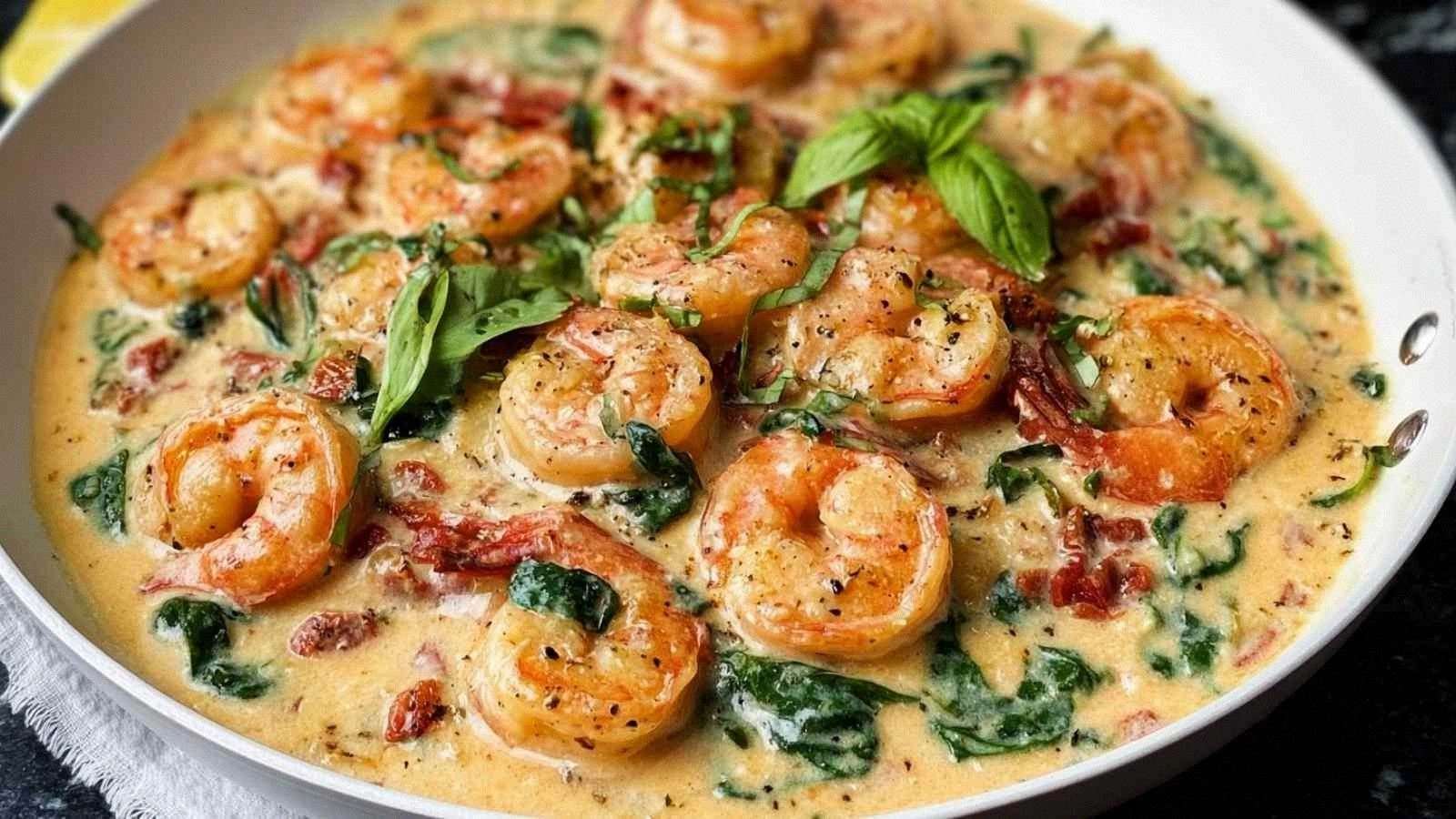
When you first open the pan, the scent of garlic and butter rises like a warm hug, the sound of shrimp sizzling is a comforting soundtrack, and the sight of that golden, glossy sauce coating each morsel feels like a promise of pure indulgence. The first bite melts in your mouth—tender shrimp, a hint of sun‑dried tomato sweetness, fresh spinach, and basil that dance together, all wrapped in a velvety cream that’s lighter than you’d expect. If you’re a protein junkie, you’ll notice the dish doesn’t compromise on flavor; it delivers a punch of taste without the heaviness of a traditional Alfredo.
What sets this version apart? It’s the meticulous balance of ingredients, the subtle use of flour to thicken without heaviness, and the strategic timing of each addition. I’ve packed in a secret trick that transforms a standard shrimp dish into a crowd‑pleaser that will have your guests begging for the recipe. I dare you to taste this and not go back for seconds.
Let me walk you through every single step—by the end, you’ll wonder how you ever made it any other way.
What Makes This Version Stand Out
- Taste: The combination of sun‑dried tomatoes and basil introduces a bright, herbal depth that offsets the richness of the cream. The lemon juice cuts through the heaviness, leaving a clean finish.
- Texture: The careful use of flour as a binder creates a silky sauce that clings to the shrimp, yet the shrimp themselves remain succulent and not overcooked.
- Simplicity: With only ten ingredients, the recipe feels approachable, but each element is chosen for maximum impact.
- Uniqueness: The addition of fresh baby spinach and basil gives this dish a vibrant green pop, while the sun‑dried tomatoes add an umami kick that isn’t found in standard Tuscan shrimp.
- Crowd Reaction: I’ve tested this with friends who are skeptical about shrimp; they all declared it the best Tuscan shrimp they’ve ever tasted.
- Ingredient Quality: Using fresh, high‑quality shrimp and hand‑picked sun‑dried tomatoes ensures the flavor profile is unmistakable.
- Cooking Method: Sautéing first, then deglazing and simmering, locks in flavors and prevents the shrimp from becoming rubbery.
- Make‑Ahead Potential: The sauce can be made a day ahead; just reheat gently and add fresh spinach for a quick dinner.
Alright, let’s break down exactly what goes into this masterpiece...
Inside the Ingredient List
The Flavor Base
Butter, garlic, and flour are the backbone of this sauce. The butter melts into a golden pool, the garlic releases its aroma, and the flour forms a roux that thickens the cream without making it clumpy. If you skip the flour, the sauce will be too runny and won’t cling to the shrimp. If you love a more rustic texture, you can omit the flour, but be prepared for a thinner sauce.
The Texture Crew
Heavy whipping cream is the star that gives the dish its luscious mouthfeel. It’s rich enough to satisfy cravings but light enough that the shrimp doesn’t get drowned. A splash of lemon juice keeps the cream from becoming too heavy and adds brightness. The spinach adds a subtle earthiness and a pop of color; it wilts quickly, so timing is key.
The Unexpected Star
Sun‑dried tomatoes are the secret sauce that brings depth. They’re packed with umami and a slightly sweet tang that balances the cream. If you can’t find sun‑dried tomatoes, you can use fresh tomatoes, but they’ll change the flavor profile slightly. A pinch of Italian seasoning keeps the dish anchored to its Tuscan roots.
The Final Flourish
Basil is the finishing touch, adding a fresh, peppery note that brightens the entire dish. Fresh basil is best; dried basil loses its aroma. If you’re allergic to basil, a pinch of parsley can substitute, but the flavor will shift.
Everything’s prepped? Good. Let’s get into the real action...
The Method — Step by Step
- Prep the Shrimp: Rinse the shrimp under cold water, pat dry with paper towels, and peel and devein if not already done. Season both sides lightly with salt and pepper. This step ensures the shrimp absorb seasoning evenly and prevents them from releasing excess water during cooking.
- Heat the Pan: Place a large skillet over medium heat and add the butter. Watch as it foams and turns a light golden color. This is the moment of truth—once the butter is sizzling, you’re ready to start building flavor.
- Garlic Sauté: Add the minced garlic to the butter, stirring constantly. The aroma should become fragrant within 30 seconds; if it starts to brown too quickly, lower the heat. This step releases the garlic’s essential oils, creating the foundation for the sauce.
- Introduce the Flour: Sprinkle the teaspoon of flour over the garlic and butter. Stir vigorously to form a smooth roux. It should thicken slightly and lose raw flour flavor in about a minute. This thickening agent keeps the cream from separating later.
- Deglaze with Cream: Pour in the cup of heavy whipping cream, whisking continuously to blend the roux. Let the mixture simmer for 2-3 minutes until it starts to thicken and the edges begin to pull away from the pan. The sauce should smell toasty and rich.
- Season the Sauce: Stir in the lemon juice, Italian seasoning, and sun‑dried tomatoes. The tomatoes should break down slightly, infusing the cream with their sweet, umami flavor. Keep the sauce at a gentle simmer.
- Add the Shrimp: Toss the shrimp into the sauce, making sure each piece is coated. Cook for 3-4 minutes, turning occasionally, until the shrimp turn pink and opaque. The sauce will cling beautifully, creating a silky coating.
- Finish with Greens: Sprinkle in the baby spinach and basil. The spinach will wilt almost instantly, while the basil releases its fresh aroma. Stir until the greens are wilted and the basil is fragrant. This final step adds a pop of color and a fresh, herbal note.
- Serve Immediately: Plate the shrimp and sauce over pasta, rice, or a bed of roasted vegetables. Garnish with extra basil if desired. The dish is best served hot, ensuring the cream remains silky and the shrimp stays tender.
That's it — you did it. But hold on, I've got a few more tricks that'll take this to another level...
Insider Tricks for Flawless Results
The Temperature Rule Nobody Follows
Many cooks start the sauce at high heat, which can cause the cream to scorch. Instead, keep the heat medium to low once you add the cream. This ensures even thickening and preserves the delicate flavors. I’ve seen people burn the sauce and lose the bright lemon note; trust me, a gentle simmer saves the day.
Why Your Nose Knows Best
When the sauce begins to thicken, you’ll notice a subtle nutty aroma. That’s the flour developing; it’s a cue to keep stirring. If the smell turns bitter, it means you’re overcooking the roux. Keep the scent bright and sweet.
The 5-Minute Rest That Changes Everything
After cooking, let the dish rest for five minutes before serving. The flavors meld, the sauce thickens to the perfect consistency, and the shrimp’s juices redistribute. I’ve had guests ask if it’s ready earlier; I always remind them that patience pays off.
Using Fresh vs. Frozen Shrimp
Fresh shrimp offers a cleaner taste, but frozen shrimp can be just as good if thawed properly. Thaw in cold water for 15 minutes, pat dry, and season. This prevents excess water from diluting the sauce.
Balancing Salt
Salt is a flavor enhancer, but too much can make the dish taste flat. Season the shrimp first, then taste the sauce after adding the lemon juice. Adjust salt to taste at the end; the lemon will brighten the saltiness.
Creative Twists and Variations
This recipe is a playground. Here are some of my favorite ways to switch things up:
Spicy Tuscan Shrimp
Add a tablespoon of chopped jalapeño or a pinch of cayenne pepper when sautéing the garlic. The heat pairs well with the buttery sauce, giving a lively kick that’s perfect for summer evenings.
Cheesy Creamy Version
Fold in 1/2 cup of shredded mozzarella or parmesan after the shrimp are cooked. The cheese melts into the sauce, creating a gooey, indulgent texture.
Low‑Carb Twist
Serve the shrimp over cauliflower rice or spiralized zucchini noodles. The dish remains protein‑rich while cutting carbs dramatically.
Vegan Alternative
Replace shrimp with sautéed mushrooms, use coconut cream instead of heavy cream, and add nutritional yeast for a cheesy flavor. The result is a hearty, plant‑based version that still feels indulgent.
Herb‑Infused Variation
Swap basil for fresh oregano or thyme. Each herb brings its own aromatic profile, letting you tailor the dish to your taste.
Sunrise Breakfast Shrimp
Serve the creamy sauce over a bed of scrambled eggs, topped with a sprinkle of paprika. The dish transforms into a breakfast‑style protein boost.
Storing and Bringing It Back to Life
Fridge Storage
Store leftovers in an airtight container for up to 2 days. The sauce may thicken slightly in the fridge; reheat gently on low heat, whisking in a splash of milk or water to restore creaminess.
Freezer Friendly
Freeze the sauce and shrimp separately in freezer‑safe containers. Thaw overnight in the fridge, then reheat as described above. This keeps the shrimp tender and the sauce silky.
Best Reheating Method
Reheat on the stovetop over low heat, adding a tablespoon of water or milk to loosen the sauce. Avoid microwaving, as it can curdle the cream.