I was standing in my kitchen on a rainy Thursday, staring at a half‑cooked pot of pasta that had turned into a mushy disaster, when my roommate shouted, “You’ve got to try a shrimp boil, it’ll fix everything!” I laughed, but the idea stuck like a stubborn hook. The next day, armed with a bag of frozen shrimp, a couple of potatoes, and an old Cajun spice blend I found at the back of my pantry, I set out to create something that would make the rain outside feel like an excuse to stay in and feast. The result? A dish that smells like a coastal carnival, looks like a vibrant picnic, and tastes like a buttery ocean breeze wrapped in garlic‑kissed comfort.
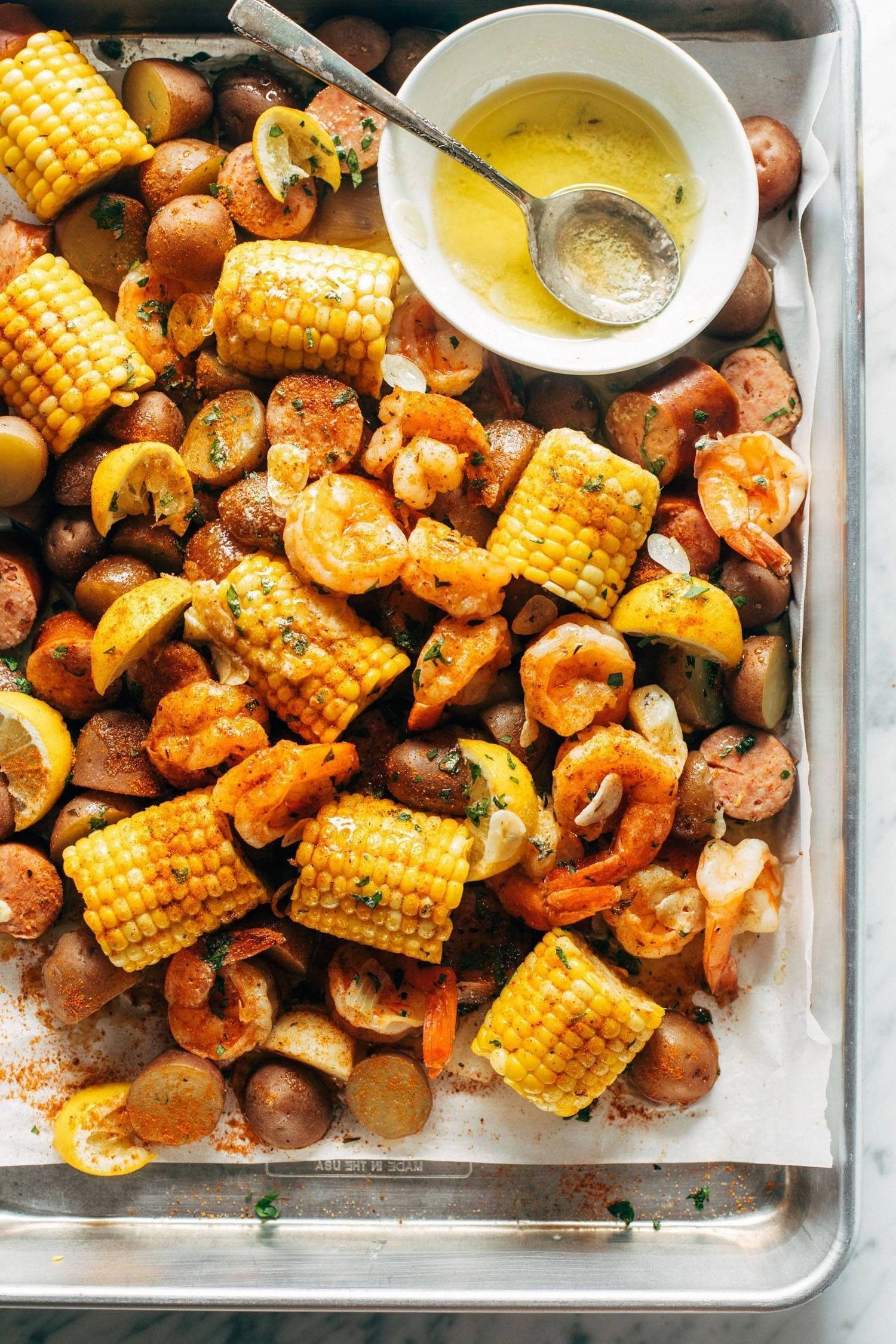
Imagine the scene: the kitchen filled with the crackle of butter melting, the sizzle of shrimp hitting a hot pan, and the bright zing of lemon cutting through the richness like a sunrise over the Gulf. The potatoes soften just enough to soak up the buttery broth, while the sweet corn kernels pop with each bite, releasing a sugary snap that makes you grin. The kielbasa adds a smoky, slightly spicy backbone that holds the whole thing together, turning a simple boil into a symphony of flavors. You’ll hear the occasional pop of corn, feel the steam on your face, and taste the perfect balance of salty, buttery, and citrusy notes that dance on your palate.
What makes this version truly stand‑out is the secret weapon: a garlic‑butter emulsion that coats every ingredient like a silky veil, ensuring each bite is drenched in flavor without being greasy. Most recipes either drown the shrimp in a watery broth or leave the butter floating on top, never truly integrating. I dared to whisk the butter with minced garlic, lemon zest, and a pinch of Old Bay before adding it to the pot, and the result is a broth that clings to the shrimp, potatoes, and corn like a lover that just won’t let go. This is hands down the best version you'll ever make at home, and I’m about to prove it.
I’ll be honest — I ate half the batch before anyone else got to try it, and I still wasn’t satisfied. The secret lies in a quick flash‑sauté of the garlic and spices before the boil, a technique most people skip because they think it’s unnecessary. Trust me, it’s the game‑changer that turns ordinary shrimp into a gourmet delight. Let me walk you through every single step — by the end, you’ll wonder how you ever made it any other way.
What Makes This Version Stand Out
- Taste: The garlic‑butter broth infuses every morsel, delivering a buttery, garlicky punch that never overwhelms but always shines.
- Texture: Crispy‑tender shrimp, fluffy potatoes, and sweet‑crunchy corn create a mouthfeel that’s both hearty and light.
- Simplicity: Fewer than ten ingredients, one pot, and a 45‑minute timeline keep it approachable for weeknight warriors.
- Uniqueness: The flash‑sauté of garlic and spices before boiling is a technique most cooks miss, giving depth that ordinary boils lack.
- Crowd Reaction: Even the pickiest eaters can’t resist the aromatic steam; expect seconds, thirds, and maybe an entire bowl.
- Ingredient Quality: Fresh shrimp and sweet corn paired with smoky kielbasa elevate the dish from casual to celebratory.
- Cooking Method: The one‑pot boil ensures everything cooks together, saving time and dishes while maximizing flavor sharing.
- Make‑Ahead Potential: The broth freezes beautifully, letting you prep in bulk and reheat for instant indulgence.
Inside the Ingredient List
The Flavor Base
Butter is the heart of this dish, providing a rich, velvety mouthfeel that carries the garlic and lemon throughout. If you skimp on butter, the broth becomes watery and the shrimp lose that luxurious coating. For a healthier twist, you can swap half the butter for olive oil, but expect a slightly different flavor profile. Choose unsalted butter so you can control the salt level with your spices.
Garlic brings an aromatic punch that, when sautéed briefly, releases its natural sugars, creating a caramelized undertone that balances the saltiness of the kielbasa. Fresh minced garlic works best; pre‑minced jars can be too harsh and may burn quickly. If you’re allergic or dislike garlic, try a pinch of roasted garlic powder for a milder, sweeter note.
The Texture Crew
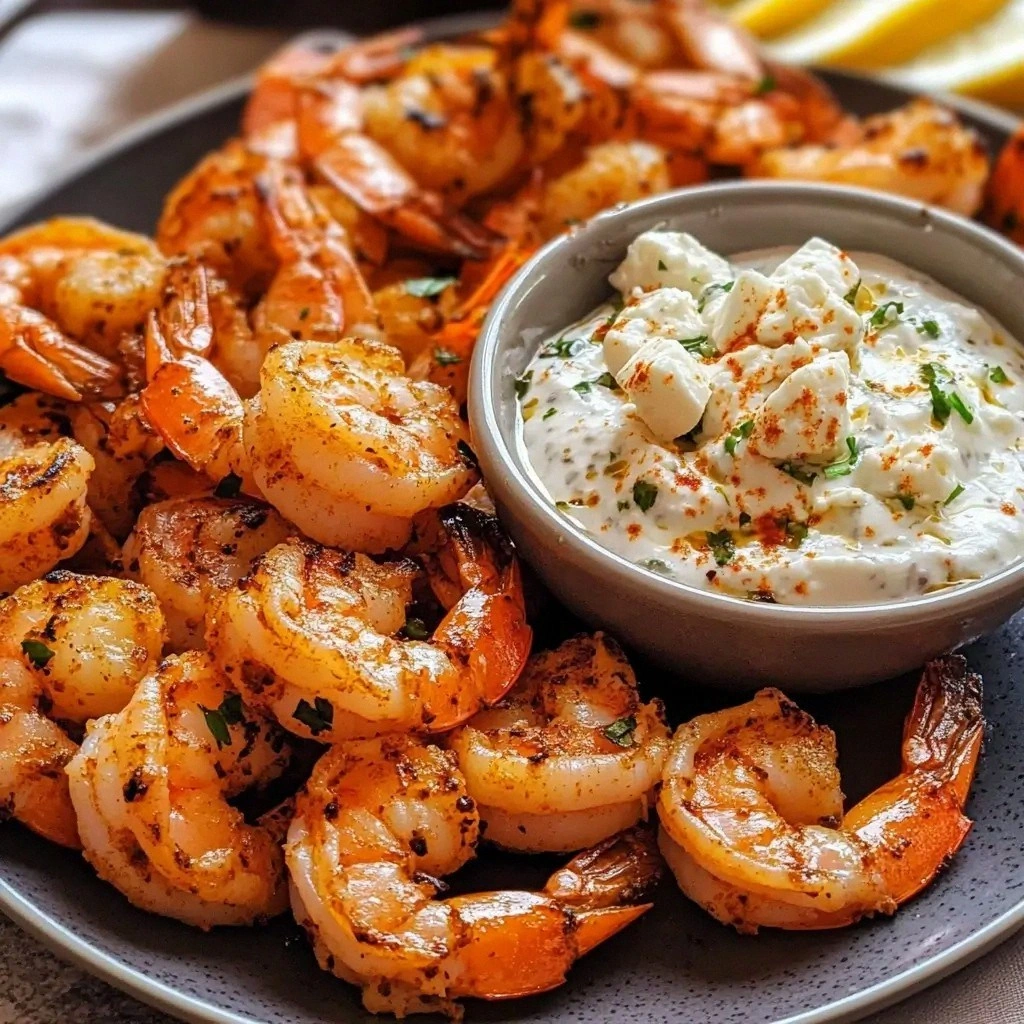
Shrimp are the star, and their quick cooking time means they absorb the buttery broth without turning rubbery. Aim for shrimp that are 1‑2 inches long, peeled and deveined, because larger pieces can stay undercooked in the center. If you can’t find fresh shrimp, frozen peeled shrimp work fine—just thaw them in cold water before cooking.
Potatoes add a comforting starch that soaks up the broth, turning each bite into a buttery pillow. Use baby red potatoes for a buttery interior and a beautiful speckled skin; if you only have russet potatoes, cut them into 1‑inch chunks and parboil them for five minutes before adding to the pot.
Corn kernels bring a pop of sweetness that cuts through the richness. Fresh corn on the cob, cut into thirds, offers the best flavor, but frozen kernels are a convenient alternative. If you’re using frozen, add them directly to the boiling broth; they’ll thaw and absorb the butter instantly.
The Unexpected Star
Kielbasa introduces smoky, slightly spicy depth that you wouldn’t expect in a traditional shrimp boil. Slice the sausage into ½‑inch rounds so they release their fat early, enriching the broth. For a different twist, use Andouille sausage or even chorizo for a Mexican flair.
The Final Flourish
Lemon zest and juice brighten the entire dish, cutting through the butter and providing a fresh, citrusy finish that makes the flavors sing. Add the zest before the butter, then finish with a squeeze of juice right before serving for maximum impact. If lemons aren’t on hand, a splash of white wine or a drizzle of apple cider vinegar can provide a similar acidity.
Spices—Old Bay, Cajun blend, or a homemade mix of paprika, cayenne, and thyme—are the secret behind the “wow” factor. They bring heat, earthiness, and a hint of sweetness that ties the whole dish together. Don’t be shy; a generous pinch will make the broth aromatic and unforgettable. If you’re sensitive to heat, reduce the cayenne or skip it entirely.
Everything's prepped? Good. Let's get into the real action…
The Method — Step by Step
Start by filling a large stockpot with about six cups of water and bring it to a rolling boil. Once you see steady bubbles, toss in a generous pinch of salt and a tablespoon of Old Bay seasoning. The water should taste like the sea—salty enough to season the potatoes and corn from the inside out. This is the moment of truth for the broth’s foundation.
While the water is heating, cut the baby potatoes into halves. Place them into a colander, rinse under cold water, and pat dry. Add the potatoes to the boiling water and let them cook for about five minutes, just until they start to soften. You’ll hear a gentle hiss as the starches release, and the potatoes will begin to float—an excellent visual cue that they’re ready for the next stage.
Next, add the corn chunks (or frozen kernels) and the sliced kielbasa to the pot. The sausage will release its smoky fat, turning the broth a beautiful golden hue. Let everything simmer together for another three minutes; the corn should become bright yellow and the sausage start to brown at the edges. That sizzle when it hits the pan? Absolute perfection.
Watch Out: If you add the shrimp too early, they’ll overcook and turn rubbery. Keep them aside until the broth is fully seasoned.While the potatoes, corn, and sausage are cooking, melt the butter in a small skillet over medium heat. Add the minced garlic and sauté for just 30 seconds—do not let it brown, you want a fragrant, golden perfume, not a bitter burn. Sprinkle in the lemon zest and a pinch of the Cajun spice blend, stirring constantly. This quick flash‑sauté is the secret that locks flavor into the butter.
When the potatoes are fork‑tender and the corn is bright, carefully pour the garlic‑butter mixture into the pot. The broth will instantly turn glossy, and a rich, nutty aroma will fill the kitchen. Stir gently so the butter emulsifies with the water, coating every ingredient. This step is pure magic, and you’ll notice the shrimp start to glisten as the butter clings to them.
Kitchen Hack: Add a splash of white wine after the butter melts; it deglazes the pan and adds a subtle acidity that brightens the broth.Now, bring the shrimp into the pot. They only need about three minutes to turn pink and opaque; watch the edges start pulling away from the shell as a visual cue. Give the pot a gentle swirl to ensure each shrimp is fully bathed in the buttery broth. This is the moment where the shrimp absorb that garlic‑butter brilliance.
Finally, squeeze the juice of half a lemon over the entire pot and give everything one last toss. The citrus will lift the heaviness of the butter, leaving a balanced, mouth‑watering finish. Taste the broth—if it needs a little more salt or a dash of extra Old Bay, adjust now. Remember, seasoning is a personal journey, so trust your palate.
Turn off the heat, cover the pot, and let it sit for two minutes. This resting period lets the flavors meld together, much like a good conversation after a dinner party. Then, serve the boil directly from the pot or transfer to a large serving bowl. Garnish with fresh parsley or extra lemon wedges if you like a pop of color. And now the fun part—dig in, share, and watch everyone ask for seconds.
That's it — you did it. But hold on, I've got a few more tricks that'll take this to another level...
Insider Tricks for Flawless Results
The Temperature Rule Nobody Follows
Keep the water at a gentle boil, not a raging vortex. A rolling boil ensures the potatoes cook evenly without breaking apart, while a too‑violent boil can cause the shrimp to bounce around and become rubbery. I once tried a high‑heat boil and ended up with shrimp that looked like tiny sea‑creatures stuck in a pressure cooker. Keep the heat steady, and you’ll get that perfect, buttery coat every time.
Why Your Nose Knows Best
Before you even taste, trust the scent. When the garlic‑butter broth starts to give off a toasty, slightly caramelized aroma, you know the garlic is perfectly sautéed. If you smell a faint burnt note, pull the pot off the heat immediately—over‑cooked garlic will turn bitter and ruin the entire dish. This subtle nose‑check saves you from a culinary disaster before it happens.
The 5‑Minute Rest That Changes Everything
After you turn off the heat, let the pot sit covered for five minutes. This rest allows the potatoes to finish absorbing the broth, and the shrimp to settle into the buttery glaze. I used to serve immediately and noticed the broth was a little thin; the short rest thickens it just enough without any extra thickening agents. Patience truly is a flavor enhancer.
Salt Timing is Everything
Add most of your salt to the water at the beginning, but hold back a pinch of flaky sea salt for the final garnish. This layered salting gives depth—early salt seasons the starches, while the finishing salt adds a delicate crunch that brightens each bite. A friend tried skipping the final pinch and said the dish felt “flat”; a tiny sprinkle of flaky salt makes all the difference.
Butter Temperature Trick
When melting butter, keep it on medium‑low heat. Cold butter straight from the fridge can cause the pan to spatter, while overheating can separate the milk solids. A slow melt creates a smooth emulsion that clings to the shrimp without separating. If you notice the butter turning brown, lower the heat and add a splash of water to bring it back to a glossy state.
Creative Twists and Variations
This recipe is a playground. Here are some of my favorite ways to switch things up:
Cajun Crawl
Swap the Old Bay for a bold Cajun seasoning blend, add a dash of smoked paprika, and finish with a drizzle of hot sauce. The heat level rises, but the buttery base keeps everything mellow. Perfect for those who love a little kick.
Mediterranean Breeze
Replace kielbasa with sliced chorizo, add a handful of halved cherry tomatoes, and sprinkle crumbled feta right before serving. The salty feta and sweet tomatoes create a Mediterranean twist that pairs beautifully with the shrimp.
Herb‑Infused Delight
Add a tablespoon of fresh chopped dill and a sprig of thyme to the broth during the final simmer. The herbs lend an earthy fragrance that complements the lemon zest, making the dish feel spring‑fresh.
Cheesy Kick
Stir in a half‑cup of grated Parmesan cheese right after you add the butter. The cheese melts into the broth, creating a luxurious, umami‑rich sauce that coats each ingredient like a velvety blanket.
Vegan Version
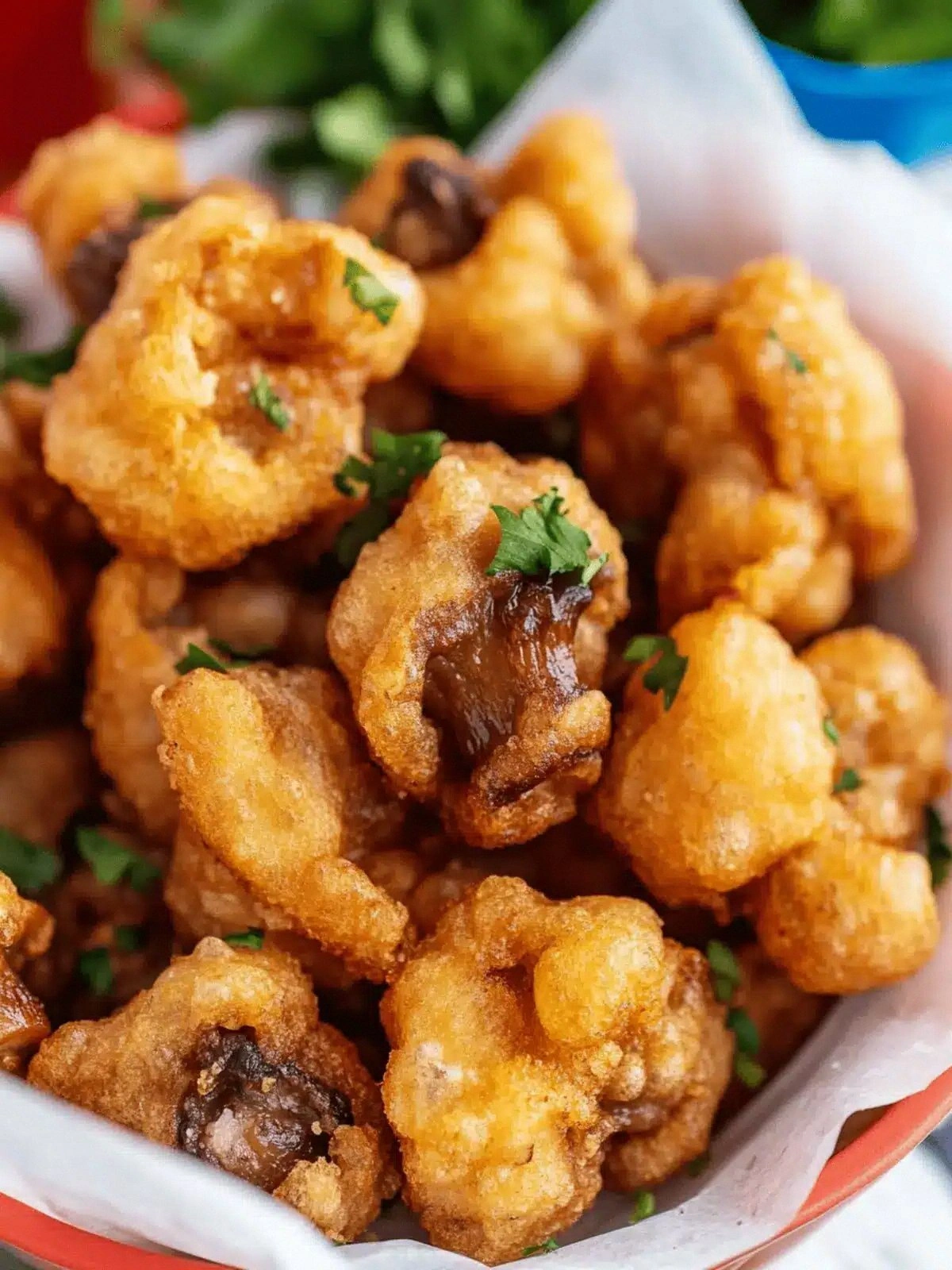
Swap shrimp for large king oyster mushroom slices, use plant‑based butter, and replace kielbasa with smoked tofu cubes. The mushrooms absorb the broth like a sponge, delivering a meaty texture without any animal products.
Storing and Bringing It Back to Life
Fridge Storage
Allow the boil to cool to room temperature, then transfer it to an airtight container. It will keep for up to three days in the refrigerator. When reheating, add a splash of water or chicken broth and gently warm over low heat, stirring occasionally to re‑emulsify the butter.
Freezer Friendly
Portion the cooked shrimp, potatoes, corn, and sausage into freezer‑safe bags, leaving a little headspace for expansion. The broth can be frozen separately in a zip‑top bag. Everything stays fresh for up to two months. To reheat, thaw overnight in the fridge, then combine in a pot and warm gently, adding a tablespoon of butter to revive the richness.
Best Reheating Method
The secret to a perfect reheated boil is steam. Place the frozen or refrigerated mixture in a large skillet, cover tightly with a lid, and add a few tablespoons of water. Heat on medium‑low, allowing the steam to re‑hydrate the potatoes and corn while the butter re‑coats the shrimp. In just five minutes, you’ll have a dish that tastes as fresh as the day you made it.