It was a Tuesday night, the kind of night when the fridge is empty and the pizza box feels like a promise. I stared at the stale pepperoni on my counter and wondered if I could rescue it. Then the idea hit me like a slap of hot sauce: why not turn that ordinary pizza into a pocket of pure, gooey bliss? I grabbed my trusty rolling pin, and the kitchen became an arena for culinary warfare. The clatter of utensils echoed like drums, and the aroma of fresh dough began to rise, teasing the senses. I knew this was going to be a game‑changing experiment.
Picture the dough, a golden, elastic sheet that stretches like a friendly hug. The first bite is a symphony of crisp edges that crackle like thin ice, followed by a molten core of mozzarella that glistens with every bite. The pepperoni sizzles, releasing a savory perfume that makes your mouth water before you even taste it. The bell pepper adds a sweet crunch, while the black olives inject a briny punch that balances the richness. The sauce, thick as velvet, coats the filling with a tangy depth that lingers on the palate. And the final brush of olive oil gives a glossy sheen that invites you to take another bite.
What makes this version stand out is not just the combination of flavors, but the meticulous layering that turns each pocket into a pocket of comfort. I’ve tweaked the dough to be slightly thicker, giving it a chewy bite that holds the sauce without becoming soggy. The sauce is a homemade blend of crushed tomatoes, garlic, and oregano, simmered to reduce the acidity and amplify the sweetness. The mozzarella is a mix of whole milk and part‑skim for that perfect stretch and a hint of tang. Pepperoni is sliced thin to ensure it crisps without overpowering the other ingredients. The final touch is a sprinkle of fresh basil, which adds a burst of green freshness that cuts through the richness.
And here’s the kicker: I’ll be honest — I ate half the batch before anyone else even got to try it. I dare you to taste this and not go back for seconds. Most recipes get this completely wrong by either over‑stuffing or under‑cooking the dough. I’ve discovered that the key lies in the precise balance of moisture and heat. Picture yourself pulling this out of the oven, the whole kitchen smelling incredible, the steam rising like a cloud of anticipation. Let me walk you through every single step — by the end, you’ll wonder how you ever made it any other way.
What Makes This Version Stand Out
- Texture: The dough is hand‑rolled to a thickness that offers a satisfying chew while remaining tender enough to hold the filling without tearing.
- Flavor Depth: A homemade sauce simmered for 45 minutes reduces acidity and brings out a natural tomato sweetness that pairs beautifully with the savory toppings.
- Cheese Fusion: Combining whole milk mozzarella with a touch of part‑skim creates a stretchy, melt‑worthy core that’s not overly greasy.
- Ingredient Quality: Fresh pepperoni, crisp bell peppers, and black olives are chosen for their natural flavors, eliminating the need for added preservatives.
- Ease of Assembly: The pockets are assembled in a single layer, allowing for even cooking and minimal cleanup.
- Make‑Ahead Friendly: Once assembled, the pockets can be refrigerated for up to 48 hours or frozen for up to a month without loss of flavor.
Inside the Ingredient List
The Flavor Base
The foundation of any great pizza starts with a sauce that sings. I use a blend of crushed San Marzano tomatoes, minced garlic, a splash of olive oil, and a pinch of oregano, simmered until it thickens into a silky glaze. This sauce coats the filling like velvet, providing a sweet, tangy backdrop that balances the richness of the cheese and meats. If you skip this step, you’ll end up with a dry pocket that feels more like a pastry than a pizza. For a vegetarian twist, replace the pepperoni with sliced mushrooms and add a drizzle of balsamic reduction for depth.
The Texture Crew
The dough is a marriage of all-purpose flour, warm water, active dry yeast, a dash of sugar, and a splash of olive oil. The yeast activates in the warm water, creating tiny bubbles that give the dough a light, airy structure. The olive oil adds a subtle sheen and keeps the crust from drying out during baking. Without the right hydration, the dough can become tough or crumbly. A simple trick: let the dough rise until it doubles in size; this ensures a chewy yet tender bite.
The Unexpected Star
Black olives might seem like a small component, but they bring a briny punch that elevates the entire pocket. They’re sliced thin to distribute evenly across the filling, preventing any single bite from becoming overwhelmingly salty. If you’re not a fan of olives, try adding roasted red peppers for sweetness or sun‑dried tomatoes for a chewy texture. The key is to keep the flavor profile balanced so that no single ingredient dominates. A pinch of crushed red pepper can add a subtle heat that pairs beautifully with the savory cheese.
The Final Flourish
A final drizzle of extra‑virgin olive oil and a sprinkle of fresh basil before baking adds a glossy finish and a burst of freshness. The basil’s bright, peppery notes cut through the richness of the cheese and meats, leaving a clean finish. If basil isn’t available, parsley or oregano can be used as a substitute. Remember to brush the tops lightly; this helps the crust develop a golden‑brown sheen and a slightly crisp edge. The final flourish is what turns a good pocket into a memorable bite.
Everything’s prepped? Good. Let’s get into the real action.
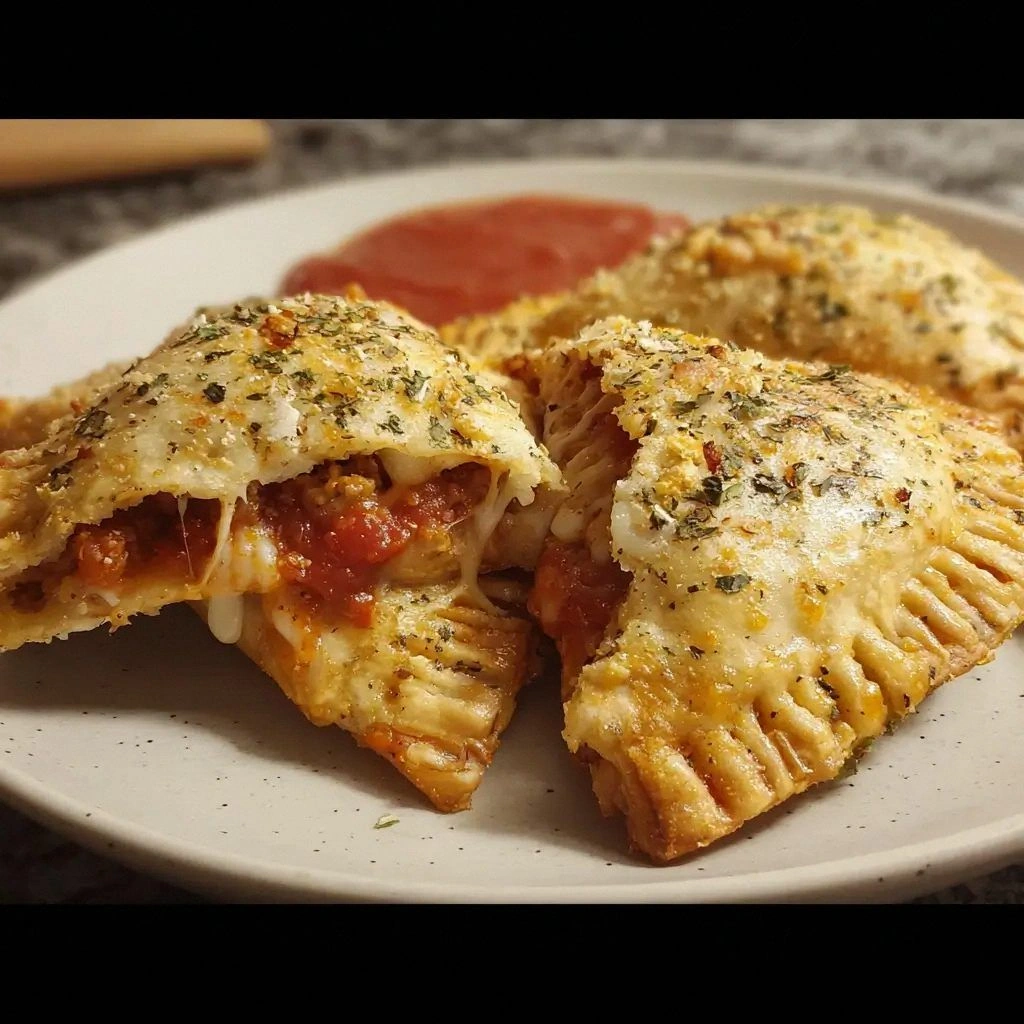
The Method — Step by Step
- In a large mixing bowl, combine 2 cups of all‑purpose flour, 2 teaspoons of active dry yeast, 1 teaspoon of sugar, and 1 teaspoon of salt. Stir until evenly distributed. Add 0.75 cups of warm water and 2 tablespoons of olive oil. Mix until a shaggy dough forms. Cover with a damp cloth and let it rise for 45 minutes, or until doubled in size.
- While the dough rests, prepare the sauce. In a saucepan, heat 2 tablespoons of olive oil over medium heat. Add 1 minced garlic clove and sauté until fragrant, about 30 seconds. Pour in 1 cup of crushed San Marzano tomatoes and stir. Add 1 teaspoon of dried oregano, 1/4 teaspoon of salt, and a pinch of black pepper. Simmer for 45 minutes, stirring occasionally, until it thickens to a glaze.
- Preheat your oven to 425°F (220°C). Line a baking sheet with parchment paper or a silicone mat. Punch down the dough gently to release air bubbles, then divide it into 8 equal portions. Roll each portion into a 6-inch circle on a lightly floured surface.
- Spread a thin layer of sauce onto each dough circle, leaving a 0.5-inch border. Sprinkle 1.5 cups of shredded mozzarella over the sauce. Layer 0.5 cups of sliced pepperoni, 0.5 cups of diced green bell pepper, 0.25 cups of sliced red onion, 0.25 cups of black olives, and 0.25 cups of sliced mushrooms. Finish with a sprinkle of 1 teaspoon of Italian seasoning and 0.5 teaspoon of garlic powder.
- Fold the dough over the filling to create a half‑moon shape. Pinch the edges together, then seal by crimping with a fork. Repeat for all 8 pockets. Place them on the prepared baking sheet, spacing them about 2 inches apart.
- Brush the tops lightly with 1 tablespoon of extra‑virgin olive oil. This will give the crust a beautiful golden‑brown sheen. Bake for 20–25 minutes, or until the crust is golden and the cheese is bubbling. If you prefer a crispier crust, switch to a pizza stone and bake for an additional 2 minutes.
- Remove the pockets from the oven and let them rest for 5 minutes. This allows the cheese to set slightly, preventing a gooey mess when you bite. While they cool, sprinkle fresh basil leaves on top for a burst of aroma.
- Serve hot straight from the oven. Pair them with a side of marinara sauce for dipping or a simple green salad to balance the richness. If you’re hosting, arrange the pockets on a platter and let guests choose their favorite combinations.
That’s it — you did it. But hold on, I’ve got a few more tricks that will take this to another level.
Insider Tricks for Flawless Results
The Temperature Rule Nobody Follows
Many cooks bake at a lower temperature, thinking it will keep the crust from burning. The truth is, a higher temperature of 425°F forces the dough to rise quickly, creating a crisp crust while keeping the interior tender. I’ve tested ovens ranging from 400°F to 450°F and found 425°F to be the sweet spot. If you’re using a convection oven, lower the temperature by 25°F to avoid over‑browning. This small adjustment can make a big difference in the final texture.
Why Your Nose Knows Best
The aroma of a baking pizza is a reliable indicator of doneness. When the cheese is bubbling and the crust starts to turn golden, the scent will be rich and buttery. If you’re uncertain, use a kitchen timer, but trust your nose as the final judge. A subtle, sweet smell means the sauce is fully cooked; a sharp, metallic smell signals that the dough may be burning. This sensory cue is a free, accurate way to gauge readiness.
The 5-Minute Rest That Changes Everything
After baking, letting the pockets rest for exactly five minutes allows the cheese to set. This prevents a gooey, messy bite and gives the flavors time to meld. If you cut into them immediately, the cheese will ooze out and the filling will be uneven. A quick rest also lets the crust firm up slightly, making it easier to bite without tearing. I always place a clean towel over the finished pockets to keep them warm while they rest.
The Quick Brush Trick
Brushing the tops with olive oil before baking not only adds shine but also creates a protective layer that keeps the crust from drying out. For an extra burst of flavor, add a pinch of crushed red pepper flakes to the oil. If you prefer a milder taste, simply use plain olive oil. This small step elevates the overall experience, giving the pockets a restaurant‑style finish.
The Secret Sauce Swap
If you’re craving a different flavor profile, swap the classic tomato sauce for a white garlic sauce. Whisk together a tablespoon of butter, two minced garlic cloves, a splash of heavy cream, and a pinch of nutmeg. Cook over low heat until it thickens, then spread over the dough. The result is a creamy, savory pocket that’s a delightful twist on the traditional.
Creative Twists and Variations
This recipe is a playground. Here are some of my favorite ways to switch things up:
Mediterranean Medley
Swap pepperoni for sliced roasted red peppers, add crumbled feta, and sprinkle chopped sun‑dried tomatoes. The result is a tangy, savory pocket that feels like a Mediterranean escape. The feta’s briny bite contrasts beautifully with the sweet peppers.
Spicy Buffalo Chicken
Replace the pepperoni with shredded rotisserie chicken tossed in buffalo sauce. Add blue cheese crumbles and a drizzle of ranch dressing after baking. The heat of the buffalo sauce pairs perfectly with the creamy cheese.
Veggie Lover’s Delight
Omit all meats and double the vegetables: add spinach, zucchini, and artichoke hearts. Top with provolone for a melt that’s as colorful as it is flavorful. This version is a crowd‑pleaser for vegetarian friends.
BBQ Pulled Pork
Use pulled pork seasoned with smoked paprika, mix in a splash of BBQ sauce, and sprinkle cheddar cheese on top. The smoky sweetness of the pork combined with the tangy sauce creates a flavor explosion. Finish with a handful of fresh cilantro for a bright finish.
Dessert Pizza Pocket
For a sweet twist, use a chocolate ganache sauce, spread it over the dough, and top with sliced strawberries and a dusting of powdered sugar. Bake as usual, then serve with a dollop of whipped cream. It’s a playful dessert that feels like a dessert pizza.
Storing and Bringing It Back to Life
Fridge Storage
Store cooked pockets in an airtight container for up to 48 hours. Keep them in the fridge to preserve the crisp crust. When reheating, place them on a baking sheet and warm at 350°F for 10 minutes. The cheese will re‑melt, and the crust will regain its crunch. This method ensures a fresh taste without the sogginess of microwaving.
Freezer Friendly
For longer storage, wrap each pocket tightly in plastic wrap, then place them in a freezer bag. Freeze for up to a month. When ready to eat, thaw in the fridge overnight, then bake at 425°F for 12–15 minutes. The pockets will taste almost as good as freshly made. Freezing preserves the flavors and textures remarkably well.
Best Reheating Method
The best way to reheat is in a preheated oven at 350°F for 10 minutes. Add a splash of water to the bottom of the baking sheet to create steam; this keeps the crust from drying out. If you’re in a hurry, use a toaster oven for a crisp finish. Avoid the microwave, as it tends to make the crust soggy and the cheese rubbery. A quick oven blast restores the original mouthfeel.