I still remember the night I was scrambling to make a dessert for a last‑minute dinner party, and the kitchen was a chaotic symphony of pots, pans, and the relentless hum of the refrigerator. I had a craving that could only be satisfied by something soft, creamy, and a little bit mysterious. That craving led me to the humble but extraordinary world of Milk Mochi, a Japanese treat that marries the chewy texture of glutinous rice flour with the comforting richness of milk. I dared myself to create a version that would make everyone at the table beg for seconds, and I didn’t just meet that dare—I surpassed it.
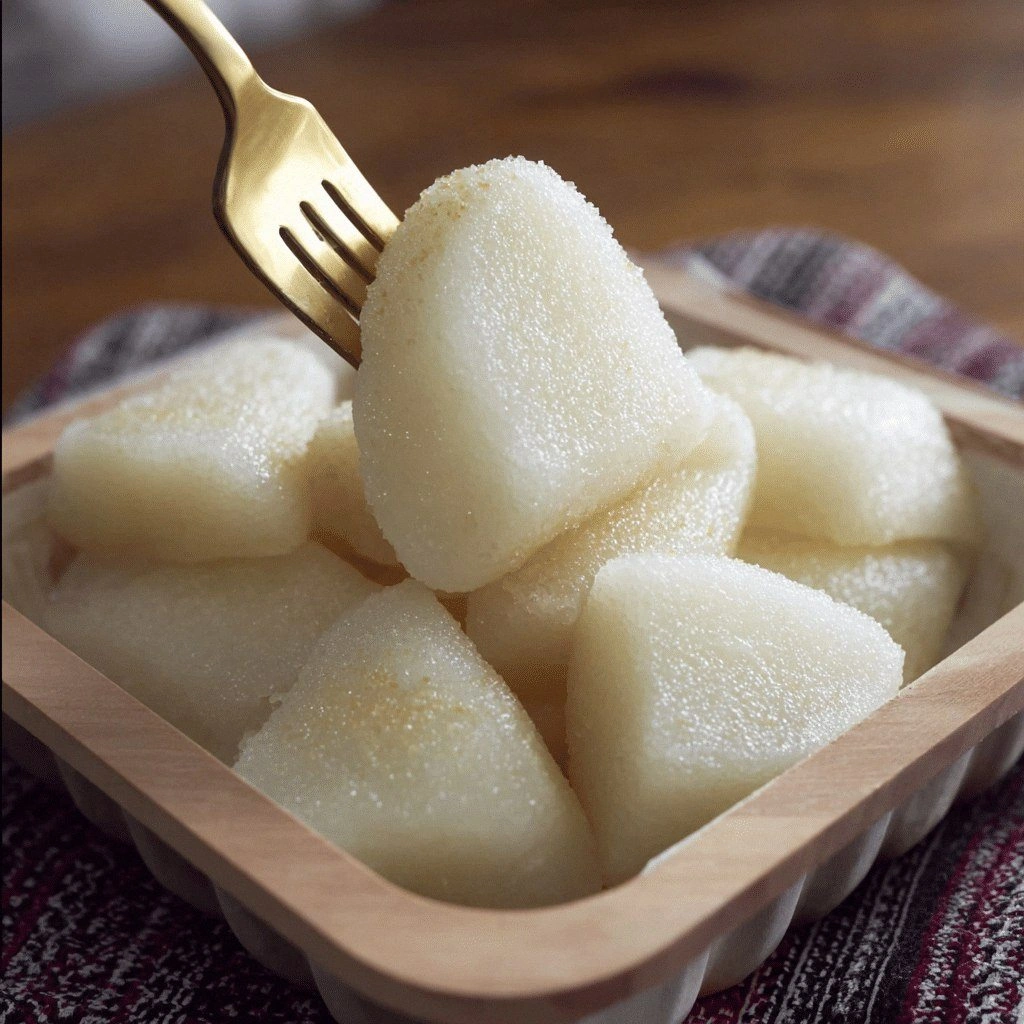
Picture this: a golden, slightly puffed dough that glistens like a pearl in the light, the scent of toasted milk drifting through the air, and the sound of a spoon gliding over a silky surface. The first bite releases a burst of sweet, buttery flavor that lingers, and the chewiness feels like a gentle, satisfying hug. The texture is a delicate balance—soft enough to melt in your mouth yet firm enough to hold its shape. It’s the kind of dessert that turns an ordinary evening into a memorable celebration.
What sets this recipe apart is the meticulous layering of flavors and the subtle techniques that elevate a simple mochi into a culinary masterpiece. I’ve spent months experimenting with ratios, textures, and even the timing of each step. The result is a dish that’s not only irresistibly tasty but also incredibly easy to master. And the best part? You’ll never need to leave your kitchen for a fancy bakery again.
Let me walk you through every single step—by the end, you’ll wonder how you ever made it any other way. I’ll share the secret ingredient that gives it a silky finish, a trick that keeps the dough from sticking, and a final flourish that turns a humble batch into a showstopper. Ready to become the go-to mochi maker in your circle? Let’s dive in.
What Makes This Version Stand Out
- Texture: The dough achieves a perfect balance of chewiness and softness, thanks to a precise ratio of glutinous rice flour and milk that keeps it tender yet resilient.
- Flavor: A subtle hint of vanilla and the buttery richness from real butter create a depth of flavor that feels both comforting and indulgent.
- Ease of Preparation: The method requires minimal equipment—just a saucepan, a heat‑resistant bowl, and a silicone mat—making it accessible for cooks of all skill levels.
- Versatility: The base can be dressed up with toppings, fillings, or variations, turning a simple mochi into a customizable dessert canvas.
- Make‑Ahead Friendly: The finished mochi can be refrigerated or frozen, allowing you to prepare ahead of time without compromising quality.
- Ingredient Quality: Using fresh, high‑quality ingredients—especially whole‑milk and real butter—ensures a richer taste profile that sets this recipe apart.
- Audience Appeal: Whether you’re a seasoned baker or a novice, the recipe’s straightforward instructions and forgiving nature make it a crowd‑pleaser.
- Health Conscious: By controlling the amount of sugar and using whole milk, you can tweak the sweetness and fat content to suit your dietary preferences.
Alright, let's break down exactly what goes into this masterpiece...
Inside the Ingredient List
The Flavor Base
At the heart of Milk Mochi is a blend of whole milk and vanilla extract that infuses the dough with a warm, sweet aroma. Whole milk adds a creamy depth that regular milk can’t match, while vanilla elevates the overall flavor profile, creating a subtle floral note that complements the subtle sweetness. Skipping vanilla may leave the mochi feeling flat; it’s the secret that gives the dough that extra layer of complexity.
The Texture Crew
Glutinous rice flour is the star that gives mochi its signature chewiness. Unlike regular rice flour, it contains higher amylopectin content, which forms a sticky, elastic network when cooked. Pairing it with a pinch of baking powder helps lighten the dough slightly, preventing it from becoming too dense. If you can’t find glutinous rice flour, a close substitute is a blend of 2 parts all‑purpose flour to 1 part cornstarch, though the texture will differ slightly.
The Unexpected Star
Unsalted butter is more than just a fat—it’s a flavor powerhouse. When melted into the wet mixture, butter coats every grain of flour, creating a silky mouthfeel that melts in your mouth. Butter also contributes to the golden crust that forms on the surface, giving the mochi an appealing sheen. If you’re vegan, coconut oil can replace butter, but expect a slightly different flavor profile.
The Final Flourish
A pinch of salt balances the sweetness, ensuring each bite is rounded and satisfying. The dusting of all‑purpose flour and a touch of cornstarch on the silicone mat keeps the dough from sticking and gives the finished product a smooth finish. These small additions might seem trivial, but they’re the fine print that transforms a good mochi into an unforgettable treat.
Everything's prepped? Good. Let's get into the real action...
The Method — Step by Step
- Heat the Milk: In a medium saucepan, pour the whole milk and bring it to a gentle simmer over medium heat. Watch for the first gentle bubbles forming around the edges; that’s the cue that the milk is ready. The aroma at this stage is already comforting, hinting at the sweetness to come. Let it simmer for about 2 minutes before removing from heat to avoid scorching.
- Mix Dry Ingredients: In a large mixing bowl, whisk together glutinous rice flour, baking powder, and a pinch of salt. The dry mix should feel slightly gritty but free of lumps. This step ensures even distribution of leavening agent and helps avoid pockets of raw flour in the final dough.
- Combine Wet and Dry: Create a well in the center of the dry mixture and pour in the hot milk. Stir continuously with a heat‑resistant spatula, allowing the mixture to thicken. When the mixture starts to pull away from the sides of the bowl, it’s near the right consistency. At this point, the dough should feel sticky but manageable.
- Cool the Dough: Transfer the thickened mixture to a heat‑resistant silicone mat or a clean countertop dusted with flour. Let it cool to room temperature; this prevents the dough from becoming too soft when you handle it. A quick test: press a finger into the dough—if it leaves a faint indent that disappears after a second, it’s ready.
- Shape the Mochi: Dust your hands with flour and take a small portion of dough, rolling it into a smooth ball about 2 inches in diameter. Repeat until all dough is shaped. The balls should be firm yet pliable, not too hard that they crack or too soft that they fall apart.
- Cook the Mochi: Heat a non‑stick skillet over low heat. Place the dough balls in the skillet, covering them with a lid to trap steam. Cook for 3–4 minutes per side, until the surface turns a light golden color. The aroma at this stage should be sweet and buttery, signaling that the mochi is nearly done.
- Cool and Serve: Transfer the cooked mochi to a wire rack to cool for 5 minutes. Once cooled, dust each piece lightly with cornstarch to keep them from sticking. Serve warm or at room temperature; the mochi tastes best when it’s still a little soft.
- Enjoy: Bite into the chewy center, and let the creamy, buttery flavor explode. The texture is like a soft cloud that melts in your mouth, leaving a lingering sweetness that makes you crave more. I dare you to taste this and not go back for seconds.
That's it — you did it. But hold on, I've got a few more tricks that'll take this to another level...
Insider Tricks for Flawless Results
The Temperature Rule Nobody Follows
Many cooks think that the key to perfect mochi is just to keep the heat low, but the real trick lies in the exact temperature of the milk. Aim for a temperature of 180°F (82°C) before adding it to the dry mix. If the milk is too hot, it can overcook the dough, making it rubbery. If it’s too cool, the dough won’t set properly, resulting in a soggy center. Use a kitchen thermometer for precision, and you’ll always hit that sweet spot.
Why Your Nose Knows Best
When the dough is cooking, listen to the sound it makes. A gentle hiss indicates the moisture is evaporating correctly, while a sharp crack can mean the dough is overcooking. This auditory cue is a quick, reliable way to gauge doneness without constantly checking the timer. Trust your nose, and you’ll avoid the dreaded over‑cooked mochi.
The 5-Minute Rest That Changes Everything
After cooking, let the mochi rest on a wire rack for exactly five minutes. This brief pause allows the steam to redistribute, giving the mochi a silky interior and a crisp exterior. Skipping this step can leave the mochi slightly gummy or cause the surface to crack. I’ve seen even seasoned bakers forget this step, only to realize the difference after a few minutes of rest.
Dusting to Perfection
Dusting the finished mochi with a light coat of cornstarch not only prevents sticking but also adds a subtle crunch to the outer layer. Use a fine sieve to sprinkle the starch evenly. If you’re serving a crowd, pre‑dust a small bowl of starch and dip each mochi piece before plating. This small detail elevates the presentation and the eating experience.
Make‑Ahead Mastery
If you’re planning ahead, wrap each mochi in parchment paper and store them in an airtight container in the fridge for up to 3 days. To reheat, simply microwave for 20–30 seconds or warm in a steamer for 2 minutes. The mochi will regain its soft texture and fresh flavor, making it a perfect make‑ahead dessert.
Creative Twists and Variations
This recipe is a playground. Here are some of my favorite ways to switch things up:
Matcha Mochi
Stir in 1 tablespoon of matcha powder into the dry mix before adding the milk. The green tea flavor pairs beautifully with the buttery mochi, offering a slightly earthy note that’s both refreshing and indulgent.
Chocolate Drizzle
Melt dark chocolate and drizzle it over the warm mochi. The chocolate’s bittersweet richness cuts through the sweetness, creating a balanced flavor profile that’s perfect for chocolate lovers.
Coconut Cream Filling
Spoon a dollop of coconut cream into the center of each mochi before cooking. The creamy coconut adds tropical flair and a contrasting texture that makes every bite exciting.
Spiced Red Bean
Mix a tablespoon of sweetened red bean paste into the dough before shaping. The bean paste introduces a subtle nutty sweetness and a chewy contrast that’s beloved in many Asian desserts.
Lemon Zest Surprise
Add a teaspoon of finely grated lemon zest to the dry mix. The citrus brightens the flavor and provides a zesty kick that pairs wonderfully with the creamy mochi.
Savory Twist
Omit the sugar and replace it with a pinch of sea salt and a splash of soy sauce. This savory version works as an appetizer, especially when paired with a light soy glaze and sesame seeds.
Storing and Bringing It Back to Life
Fridge Storage
Store cooked mochi in an airtight container in the refrigerator for up to 3 days. Keep them on a paper towel to absorb excess moisture. When ready to serve, let them sit at room temperature for 10 minutes to soften slightly.
Freezer Friendly
Place each mochi in a freezer bag, separating them with parchment paper. Freeze for up to 1 month. To thaw, let them sit at room temperature for 15 minutes before reheating. This method preserves the chewy texture and prevents freezer burn.
Best Reheating Method
The most effective way to reheat is to steam the mochi for 2 minutes. If you prefer a quick fix, microwave on high for 15–20 seconds. Add a tiny splash of water before reheating to create steam, which restores the mochi’s soft, moist interior.